

Embracing the Future: Top Interior Design Trends for 2026
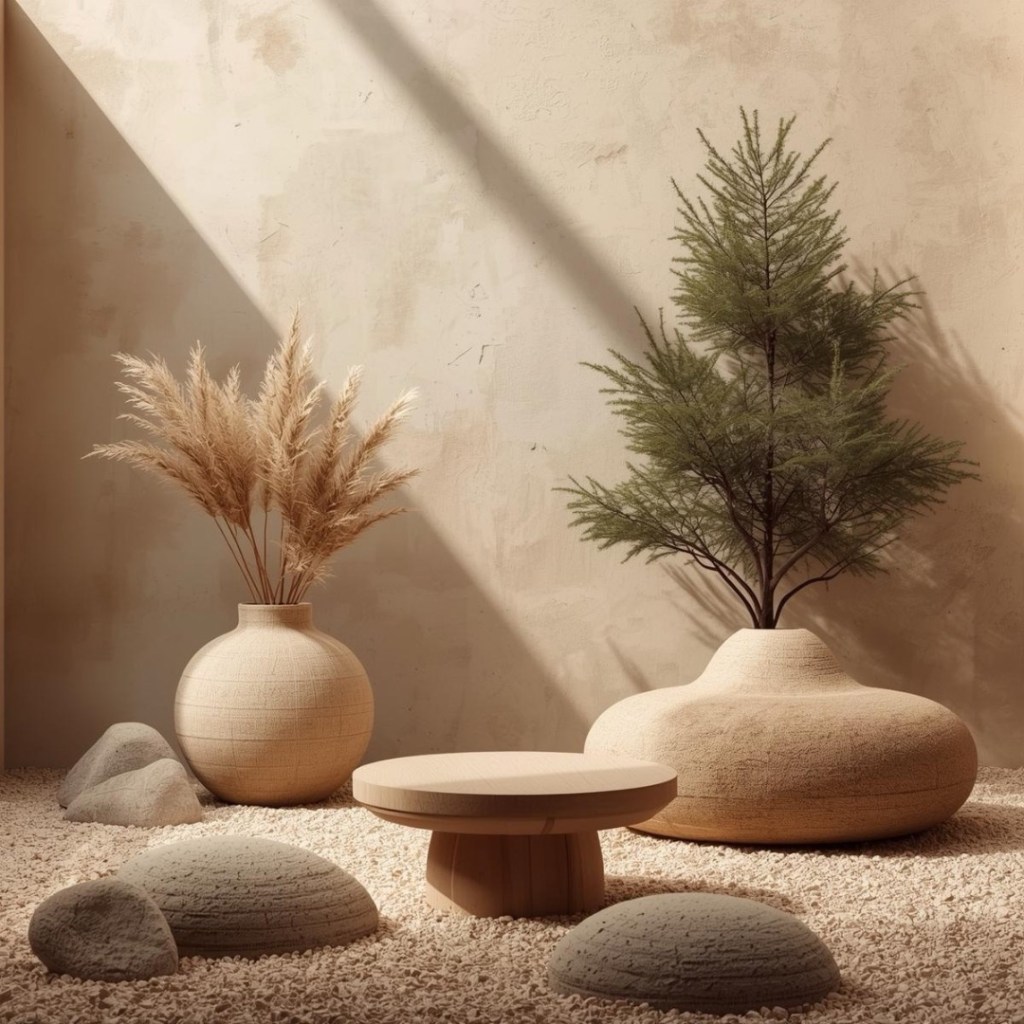
As we step into 2026, the world of interior design continues to evolve, blending sustainability, technology, and personal expression. This year promises a harmonious fusion of innovation and nature, creating spaces that are not only aesthetically pleasing but also functional, eco-conscious, and deeply personal. Let’s explore the top trends shaping interiors in 2026 and how you can integrate them into your home.
Sustainability at the Forefront
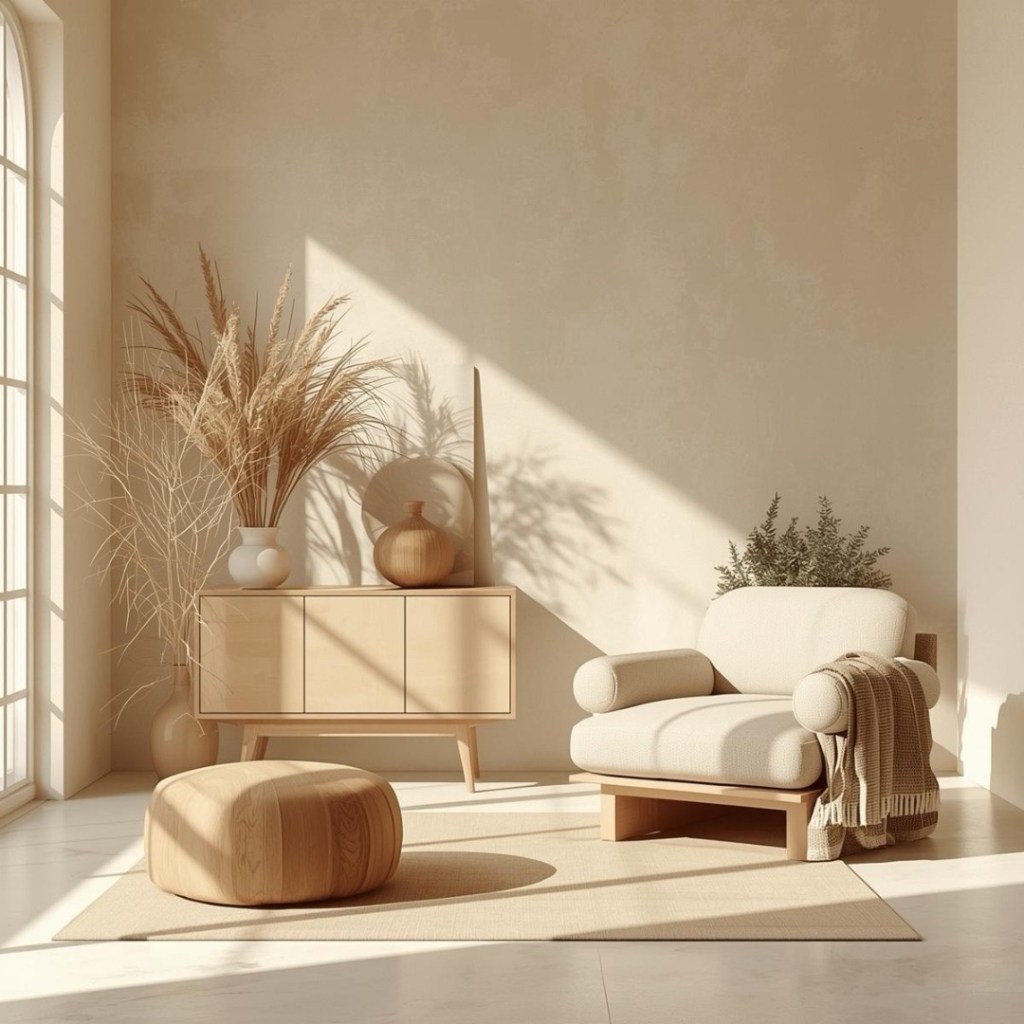
Sustainability is no longer just a trend—it’s a lifestyle. By 2026, eco-friendly materials and practices dominate design choices.
Recycled and Reclaimed Materials: Think reclaimed wood for flooring, recycled glass countertops, and low-VOC paints for healthier air quality.
Circular Design: Furniture made from repurposed metals and modular pieces designed for disassembly and reuse are gaining traction.
How to Incorporate: Start with small swaps, like eco-conscious flooring or thrifted décor, and gradually transition to a fully sustainable space.
Biophilic Design Evolution
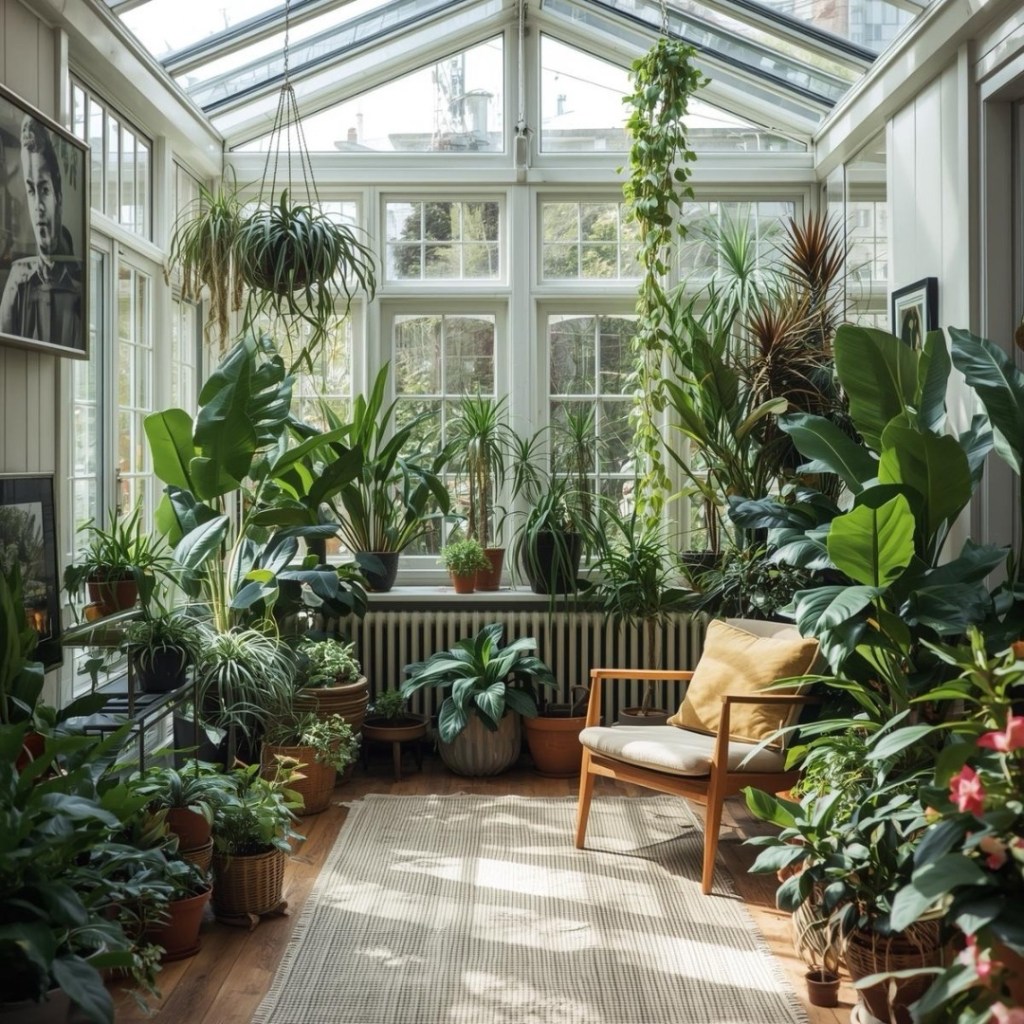
Bringing the outdoors in has taken center stage, with a focus on immersive natural experiences.
Vertical Gardens and Living Walls: Transform blank walls into lush, green spaces that purify the air and add visual warmth.
Natural Light Optimization: Floor-to-ceiling windows, skylights, and light-reflecting surfaces amplify daylighting.
How to Incorporate: Add potted plants, use natural fibers like jute or rattan, and invest in smart blinds to regulate light and temperature.
Smart Integration, Seamlessly
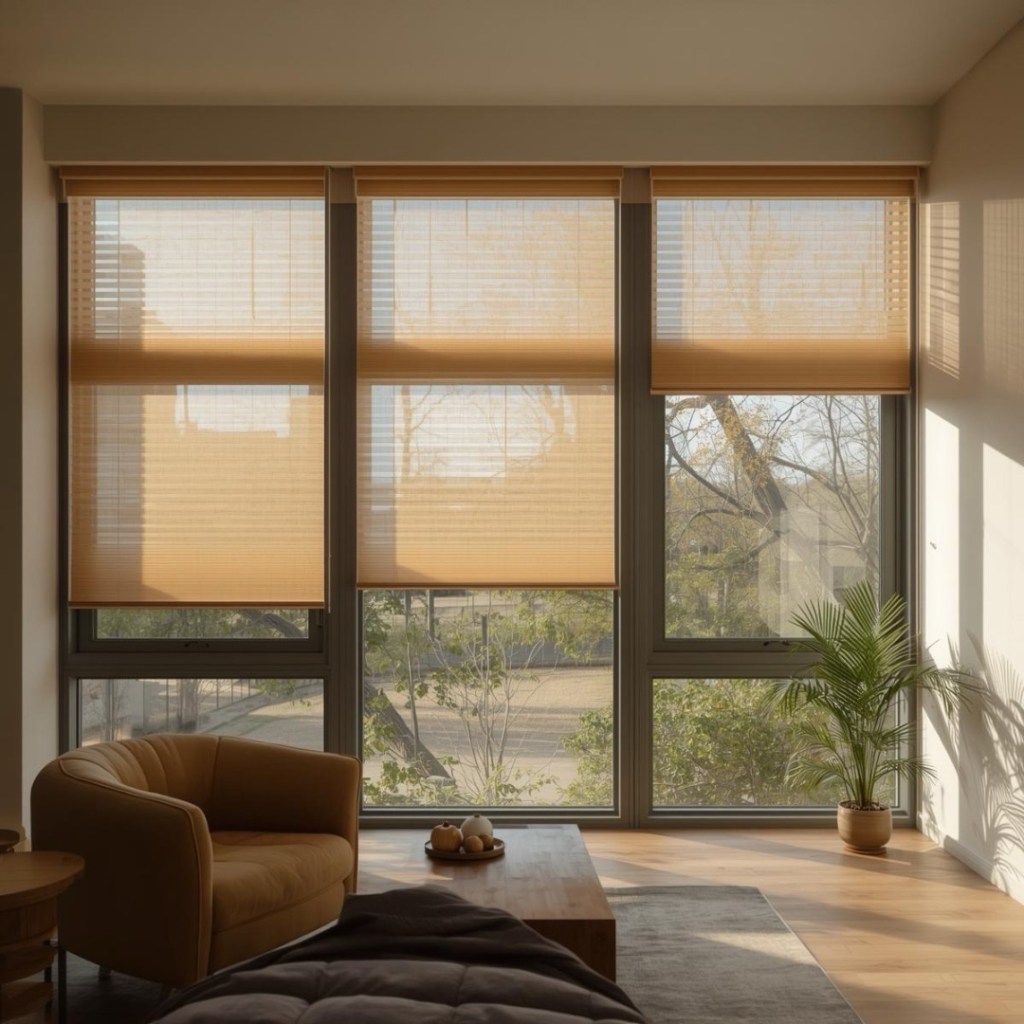
Technology in 2026 is invisible yet omnipresent, enhancing comfort without clashing with design.
AI-Driven Systems: Voice-controlled lighting, automated window treatments, and climate controls tailored to your habits.
Hidden Tech: Motorized projectors, embedded charging ports, and discreet smart speakers maintain clean aesthetics.
How to Incorporate: Upgrade to smart bulbs or install a central home automation system that integrates with your existing setup.
Multifunctional Spaces

Urban living and hybrid work-life demands have refined the need for adaptable rooms.
Modular Furniture: Convertible sofas, extendable tables, and wall-mounted desks maximize space efficiency.
Room-in-a-Room Concepts: Room dividers or sliding panels create flexible zones for work, relaxation, and socializing.
How to Incorporate: Use a sofa bed for guests or a fold-out desk for a home office without overhauling your layout.
Color and Texture Palettes
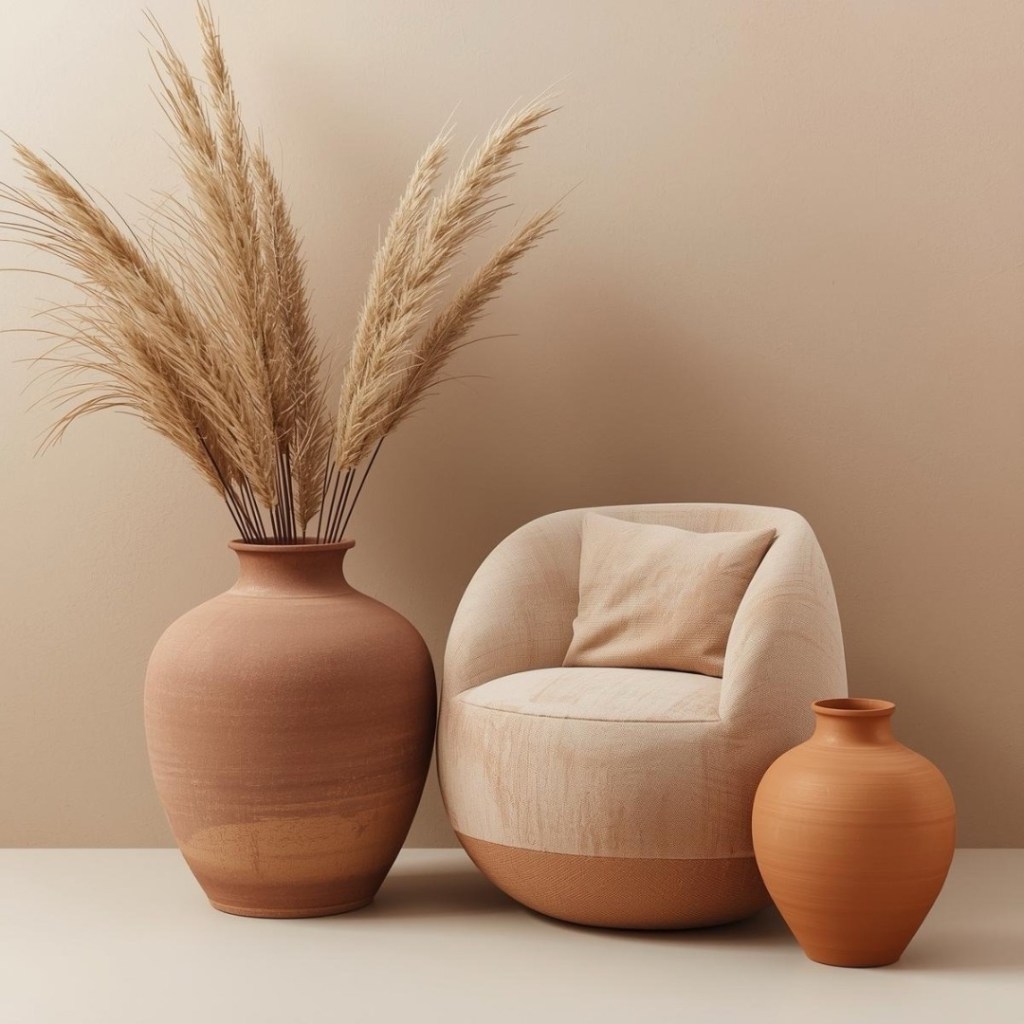
2026 embraces a balance of warmth and sophistication, with textures adding depth.
Earthy Tones with Metallic Accents: Terracotta, sage green, and warm grays paired with gold or copper for a refined touch.
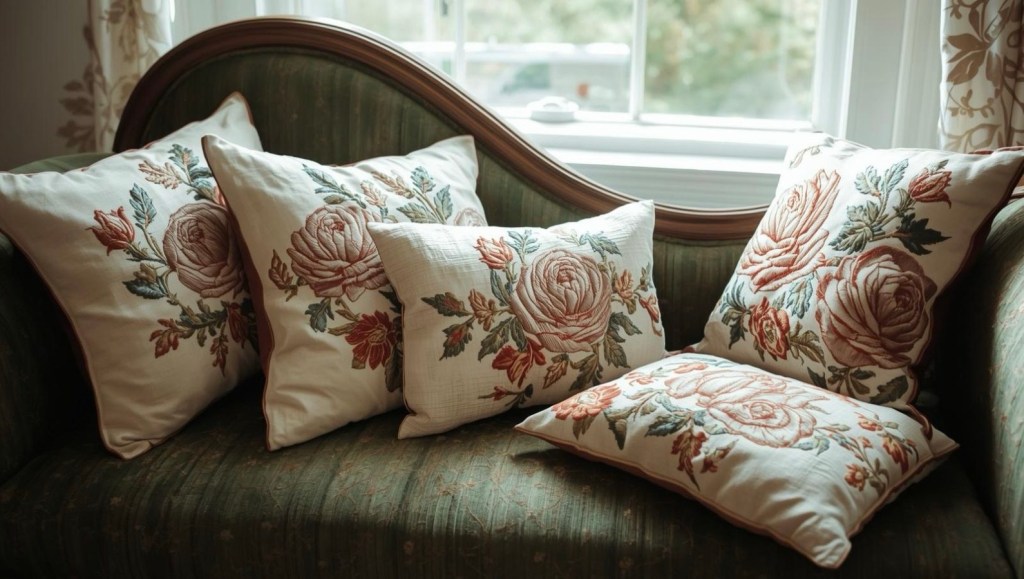
Textured Walls and Surfaces: Plush textiles, woven wall art, and concrete splashes for tactile interest.
How to Incorporate: Paint an accent wall in a deep earthy hue or layer rugs and throws for a cozy, textural effect.
Lighting Innovations
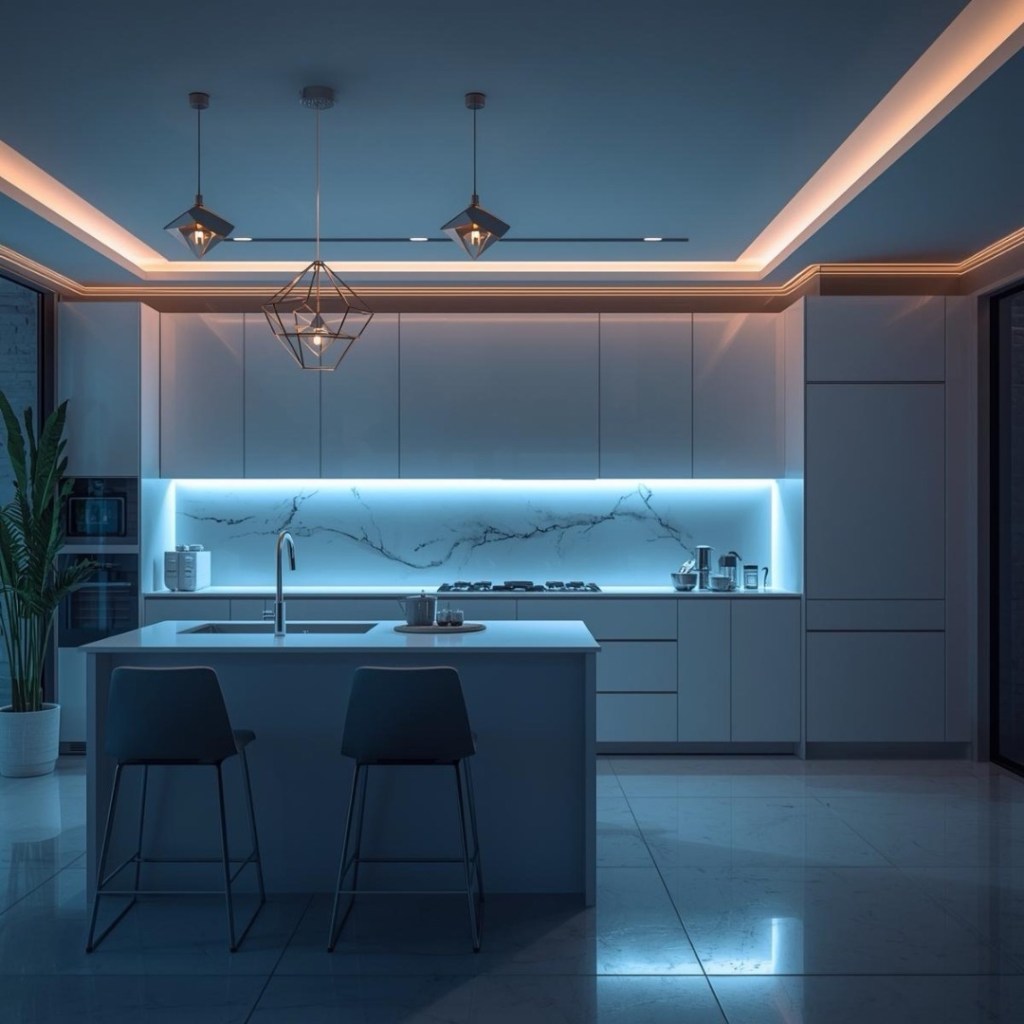
Lighting in 2026 is both functional and transformative.
Adaptive Smart Lighting: LEDs that shift color temperature to mimic natural light cycles, boosting well-being.
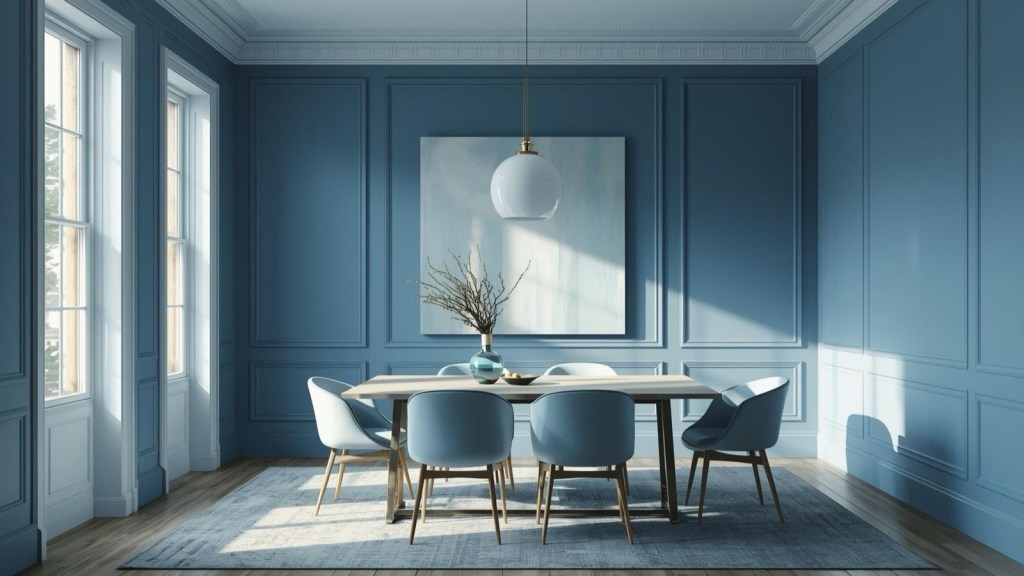
Statement Fixtures: Sculptural pendants and chandeliers that double as art pieces.
How to Incorporate: Install adjustable LED strips under cabinets or choose a bold pendant light for your kitchen or entryway.
Furniture Trends: Comfort Meets Aesthetics
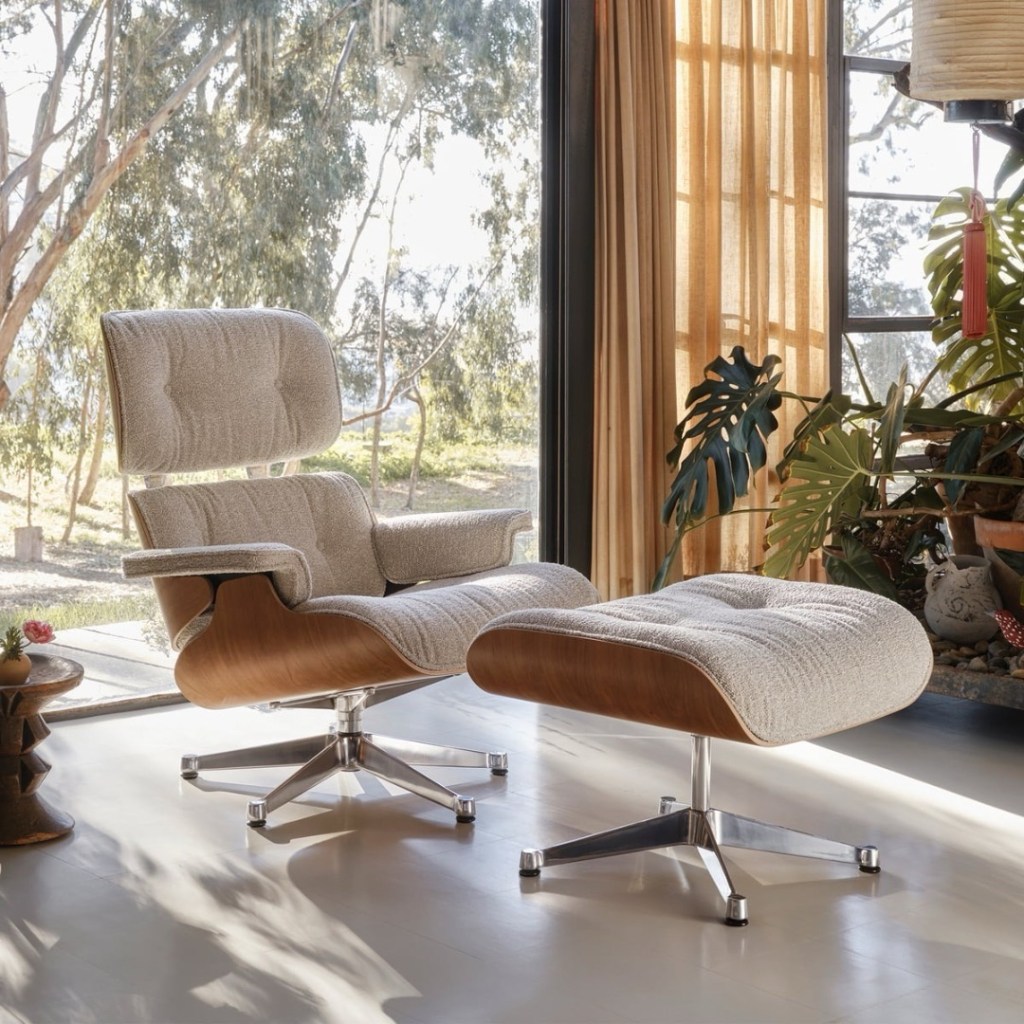
Furniture in 2026 prioritizes ergonomics and sustainability.
Sustainable Materials: Pieces crafted from bamboo, reclaimed wood, or biodegradable composites.
Ergonomic Design: Chairs with built-in lumbar support and modular seating for social spaces.
How to Incorporate: Invest in a well-crafted, eco-friendly sofa or a minimalist desk that suits your needs.
Personalization and Customization
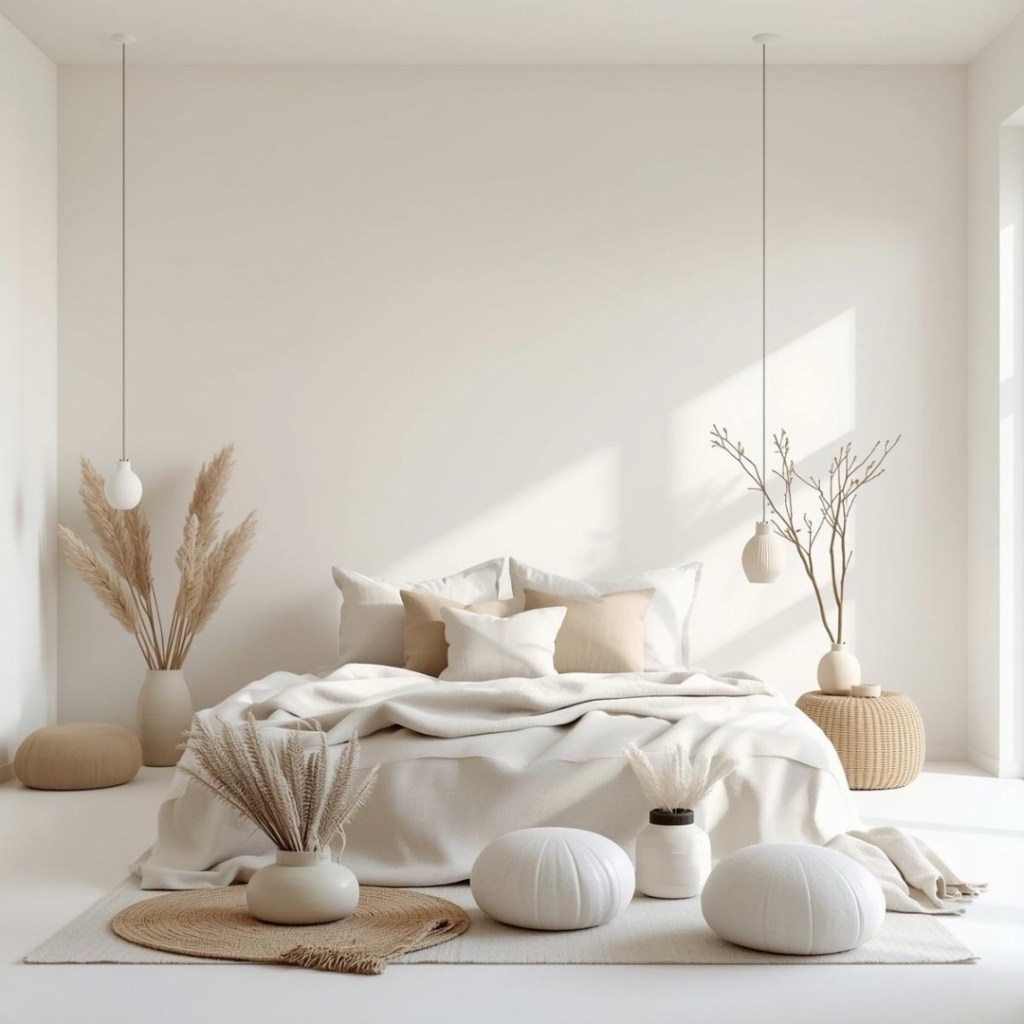
AI and design platforms allow for hyper-personalized spaces.
AI Design Tools: Apps that generate custom room layouts or suggest decor based on your lifestyle.
Artisanal Touches: Handmade ceramics, bespoke cabinetry, and curated art collections reflect individuality.
How to Incorporate: Use online tools to create a personalized color scheme or commission local artisans for unique décor.
Conclusion

The interiors of 2026 are a testament to progress—melding sustainability, smart technology, and personal expression. Whether you’re redesigning your living room or simply updating a corner, these trends offer a roadmap to a future-ready home. Embrace the balance between innovation and nature, and create spaces that inspire, adapt, and endure.
Final Tip: Start small! You don’t need a full renovation to adopt these trends—prioritize what matters most to you and your lifestyle. The future of design is in your hands, and it’s never looked so beautiful.
If you liked my blog post “Interior Design Trends for 2026” have also a look at Furnishing the Living Room with an Orange Sofa
This blog post blends practical advice with visionary ideas, positioning you as a forward-thinking designer or enthusiast ready to shape their space for 2026. Stay ahead of the curve while creating a home that’s both functional and deeply personal.

 Hygge Design
Leave a comment