

The Art and Science of Handmade Soap: Why Going Natural is Worth It
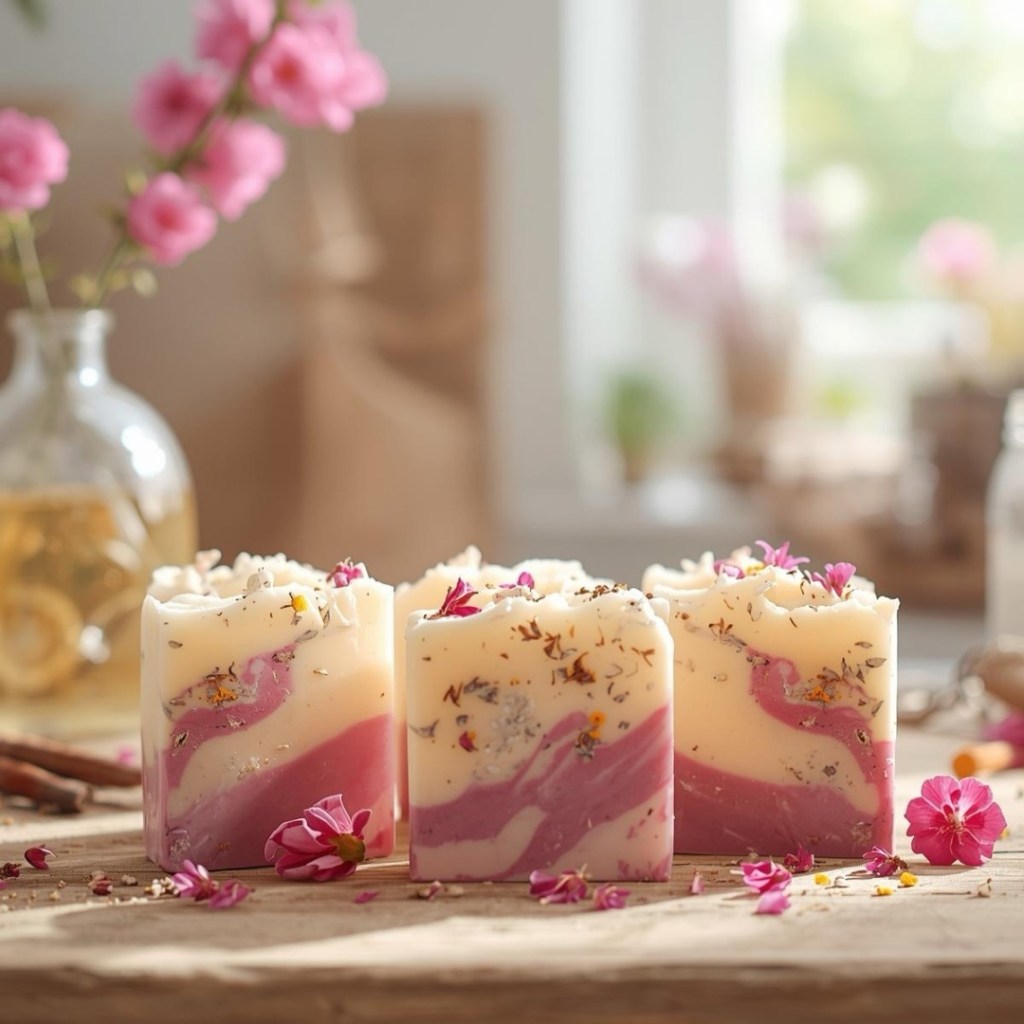
In a world where convenience often trumps quality, there’s something deeply satisfying about returning to the basics—especially when it comes to personal care. One such return to simplicity is the growing popularity of handmade soap. Far more than a mere bar for washing, handmade soap represents a thoughtful blend of artistry, science, and natural wellness. Whether you’re a skincare enthusiast or just discovering the benefits of clean beauty, handmade soap might just become your new daily essential.
What Is Handmade Soap?
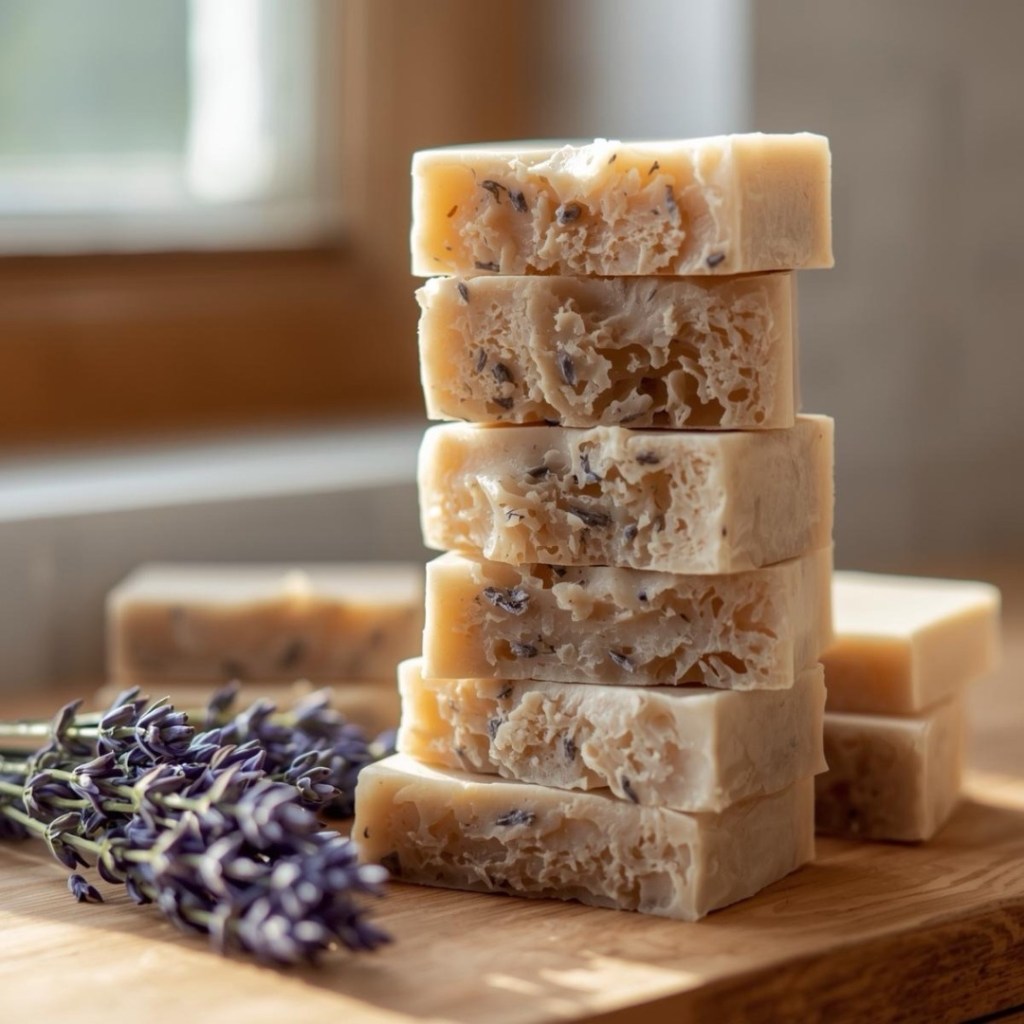
Unlike mass-produced commercial soaps filled with synthetic detergents, harsh chemicals, and artificial fragrances, handmade soap is crafted in small batches using natural ingredients. Most artisans use the cold process method, which involves mixing oils and butters with lye (sodium hydroxide) to trigger saponification—the chemical reaction that turns fats into soap. The result? A gentle, nourishing product rich in glycerin, a humectant that draws moisture to the skin.
Many commercial soap manufacturers remove glycerin from their products to sell separately in lotions and creams. Handmade soap, however, retains this natural moisturizer, leaving your skin soft and hydrated—not stripped or tight.
The Ingredients That Matter
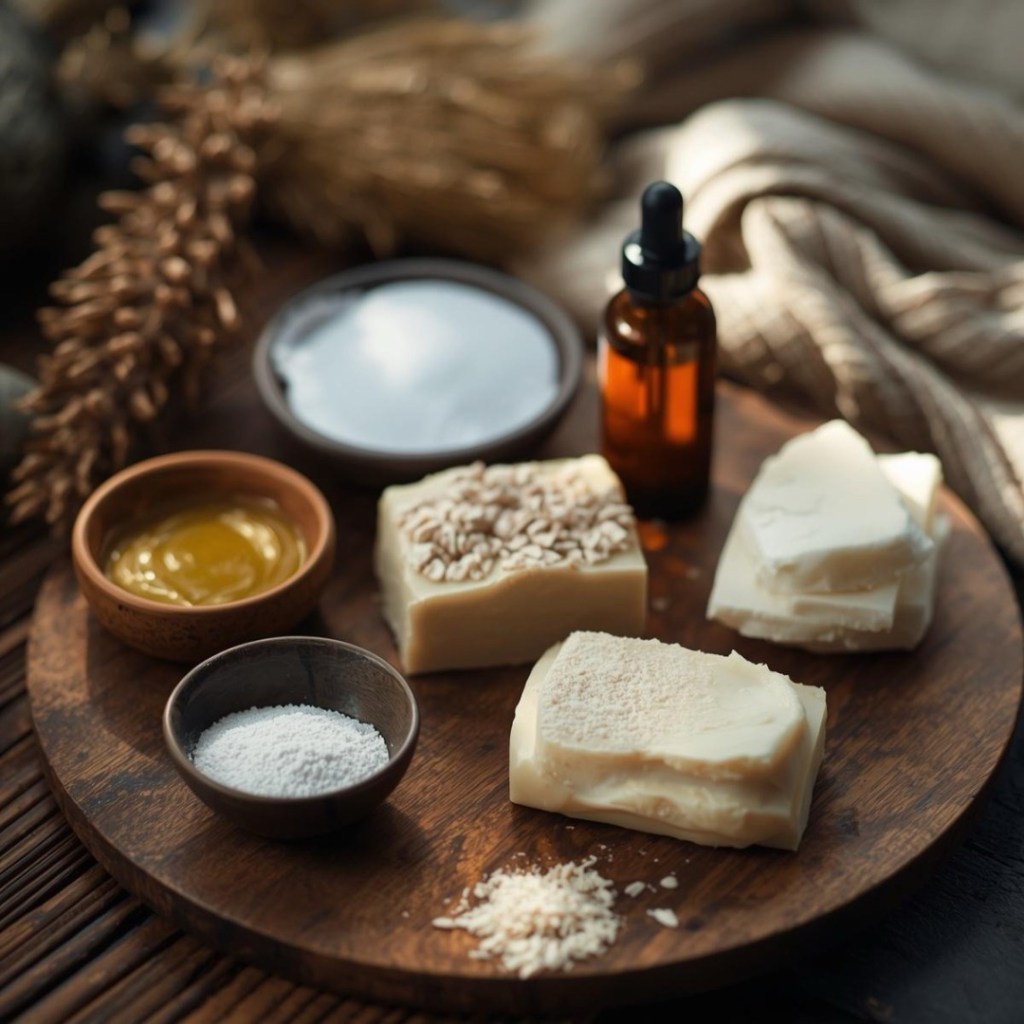
One of the greatest appeals of handmade soap lies in its ingredient transparency. When you choose a bar from a reputable artisan, you’ll often see a short, pronounceable list:
- Cold-pressed oils (olive, coconut, avocado, sweet almond)
- Butters (shea, cocoa, mango)
- Essential oils for fragrance and therapeutic benefits
- Botanicals like lavender buds, oatmeal, or calendula petals
Each ingredient is selected not just for cleansing ability, but for its skin-loving properties. For example:
- Olive oil offers deep moisture and is rich in antioxidants.
- Coconut oil provides a rich lather and has natural antimicrobial properties.
- Shea butter soothes dry, sensitive, or irritated skin.
Artisans often formulate soaps for specific skin types—whether you’re dealing with acne, eczema, or simply want a gentle daily cleanse, there’s likely a handmade bar tailored to your needs.
Craftsmanship with a Conscience
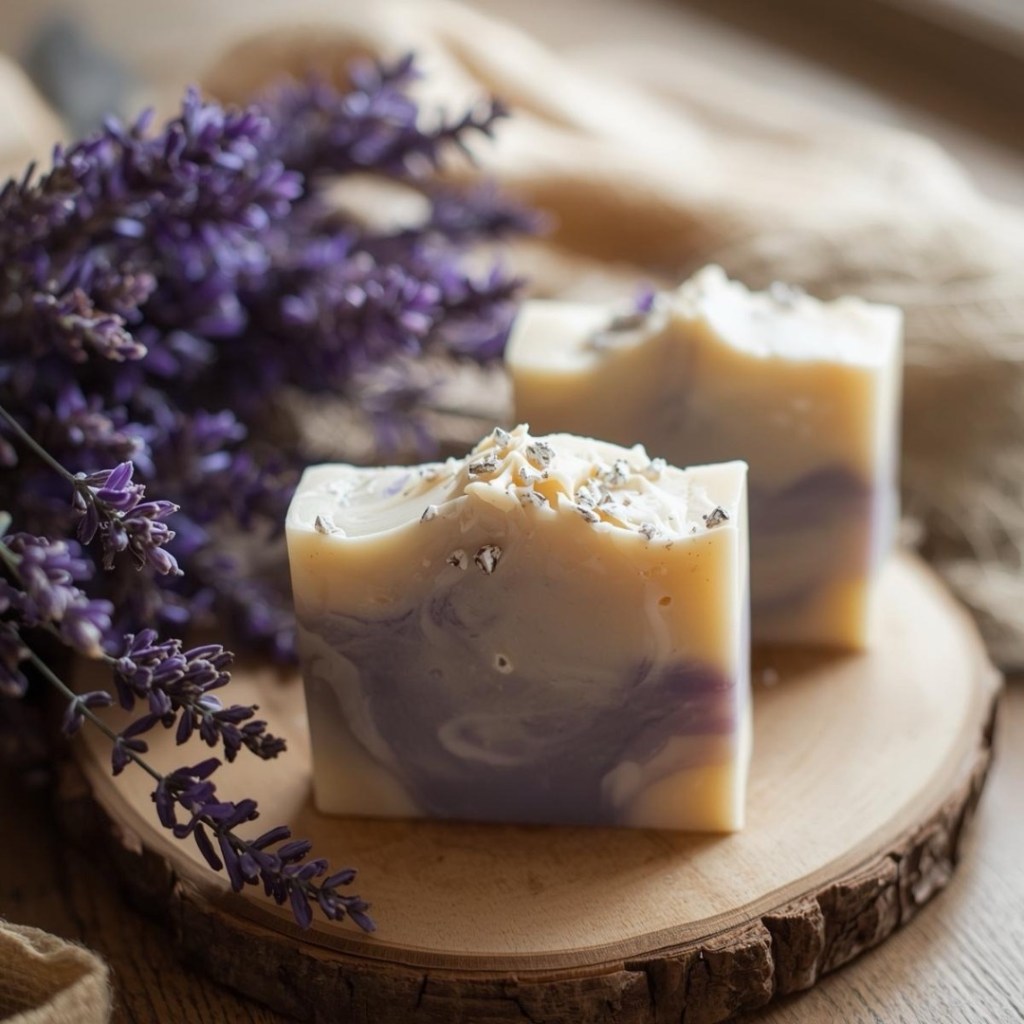
Handmade soap isn’t just good for your skin—it’s better for the planet and ethical consumerism. Most handmade soap makers prioritize:
- Sustainable sourcing of raw materials
- Minimal, plastic-free packaging (think recyclable paper or reusable tins)
- Cruelty-free practices (no animal testing)
- Small-batch production to reduce waste and ensure quality
When you buy handmade soap, you’re supporting independent makers, reducing your carbon footprint, and saying no to the overproduction and over-packaging that plague the beauty industry.
The Experience of Using Handmade Soap
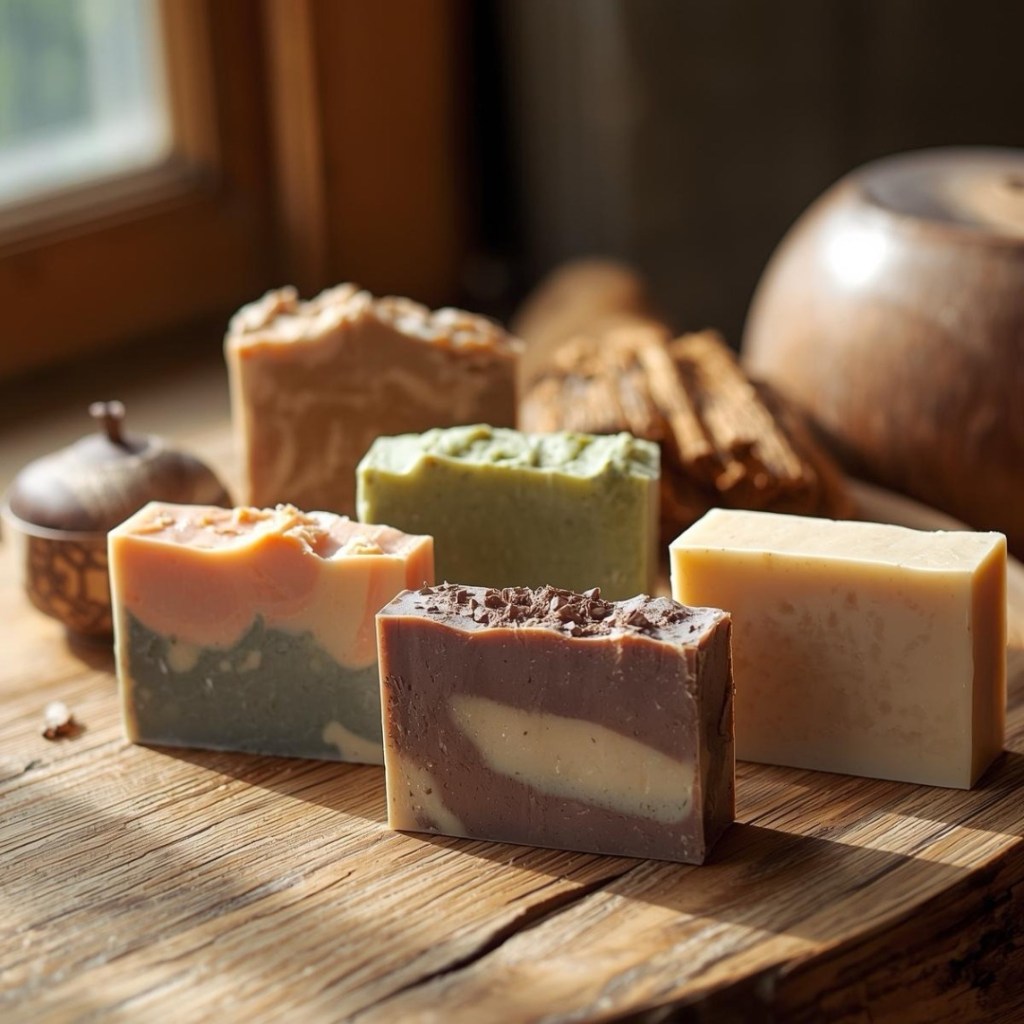
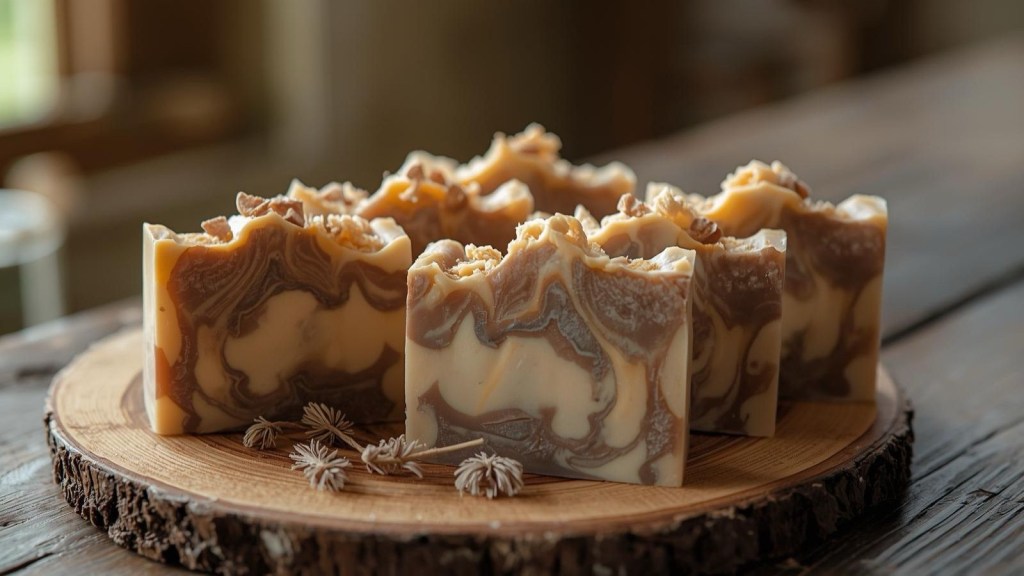
Using handmade soap is more than a hygiene routine—it’s a sensory experience. Imagine unwrapping a beautifully marbled bar that smells of lavender and citrus, feels creamy on your skin, and leaves behind a subtle, natural scent. Because these soaps are crafted with care, many turn daily bathing into a moment of self-care and mindfulness.
Plus, handmade soaps often last longer than expected if stored properly—use a well-drained soap dish, keep it dry between uses, and it can easily outlast several commercial bars.
Debunking Myths
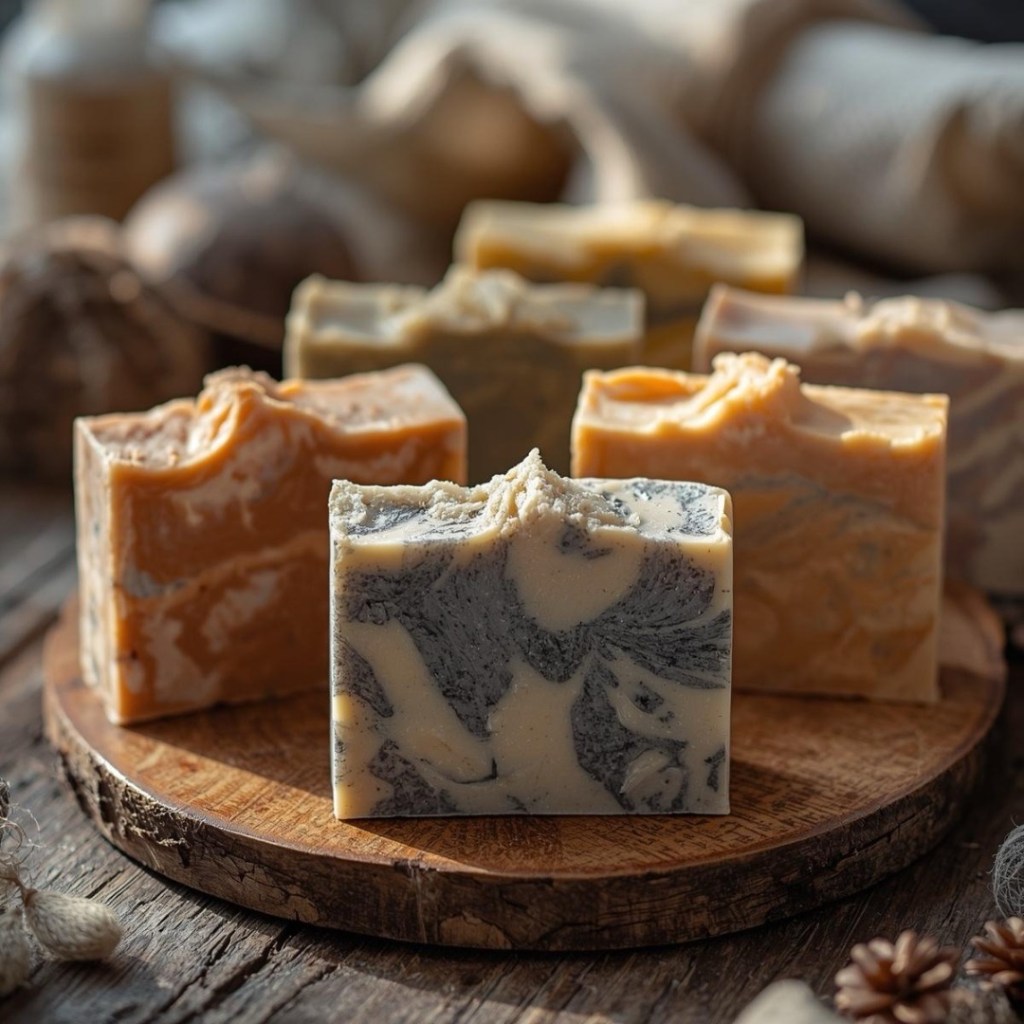
- “Handmade soap doesn’t lather well.”
Not true! While the lather may differ from foamy commercial bars, many handmade soaps—especially those with coconut oil—produce a rich, creamy lather. - “It’s too expensive.”
While handmade soap may cost more upfront, you’re paying for quality ingredients, craftsmanship, and skincare benefits in one. Think of it as an investment in your skin’s health. - “It’s not as effective.”
On the contrary: handmade soaps are designed to cleanse without over-drying. They preserve the skin’s natural pH balance and microbiome, promoting long-term skin health.
How to Choose the Right Handmade Soap
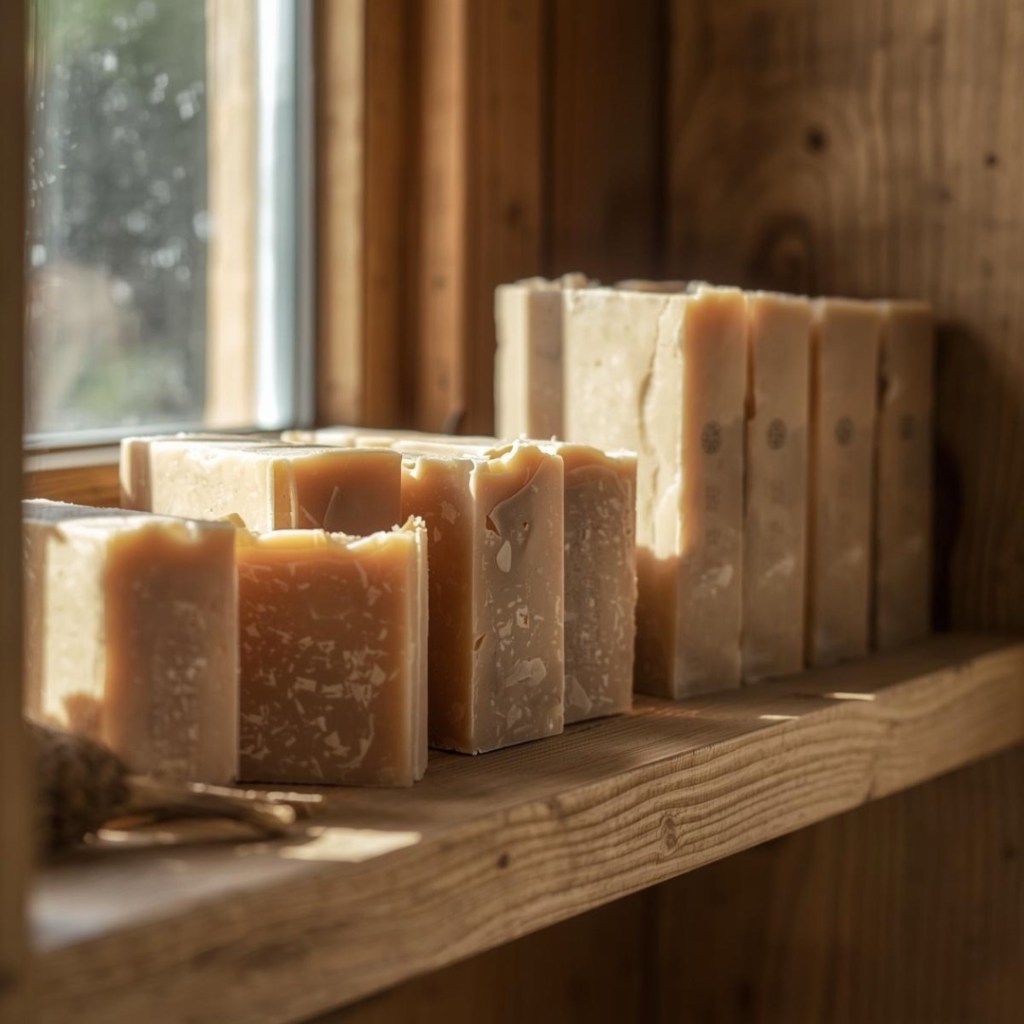
When selecting a handmade soap, consider:
- Your skin type (dry, oily, sensitive, acne-prone)
- Desired benefits (exfoliation, calming, brightening)
- Preferred scent (essential oils vs. fragrance-free)
- Ethical values (vegan, palm oil-free, organic)
Don’t hesitate to ask the maker about their process or ingredients—most are passionate and happy to share their knowledge.
Final Lather
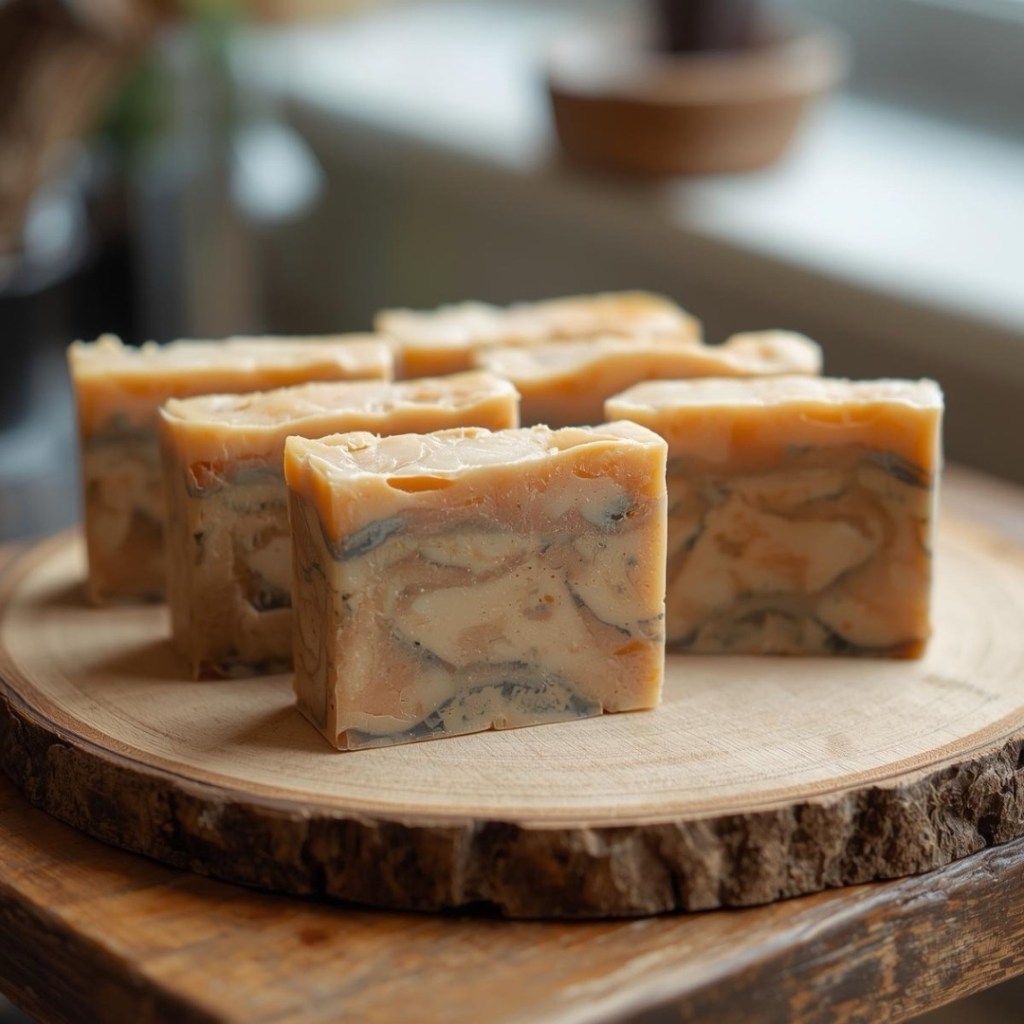
Handmade soap is more than a product—it’s a return to simplicity, authenticity, and care. Every bar tells a story: of slow craftsmanship, nature’s bounty, and the desire to treat our bodies and planet with respect.
So next time you reach for soap, choose one that not only cleanses but nourishes. Choose handmade. Choose conscious. Choose a bar that feels good in your hands—and even better on your skin.
Have you tried handmade soap? Share your favorite ingredients or scents in the comments below! And if you’re inspired, consider gifting a handcrafted bar to someone you love—because self-care is always in season.
If you liked my blog post “Handmade Soap” have also a look at I Choose Solid Cleansers


 Hygge Design
Leave a comment