

Blue Walls: Which Shade to Choose, from Sky Blue to Navy
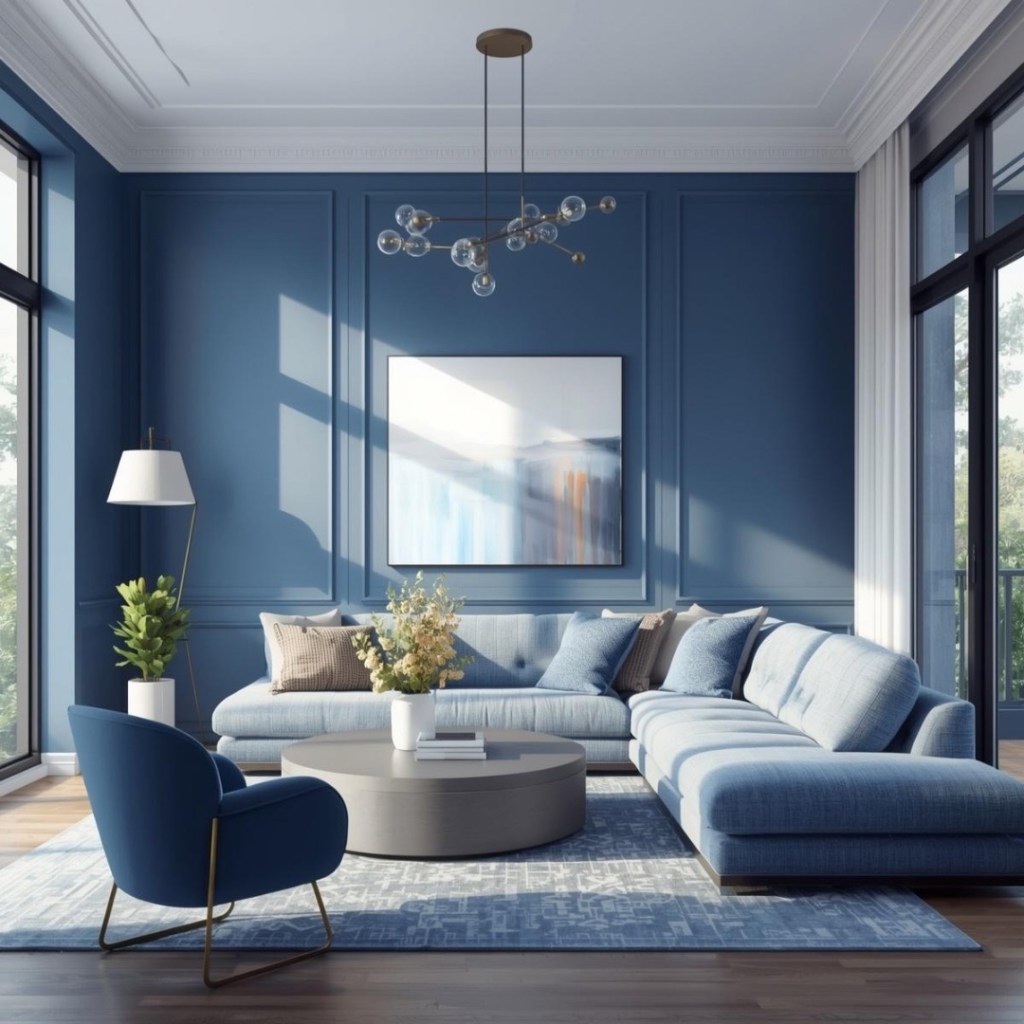
When it comes to designing or redecorating a space, few colors are as versatile and emotionally resonant as blue. From the tranquil whisper of a morning sky to the deep mystery of the midnight ocean, blue has the power to transform a room’s atmosphere in profound ways. Whether you’re seeking a serene retreat or a bold statement, choosing the right shade of blue for your walls is essential. But with so many options—from airy sky blues to rich navy tones—how do you pick the perfect one?
Let’s dive into the blue spectrum and explore how to choose the ideal hue for your space.
Why Blue? The Psychology Behind the Hue
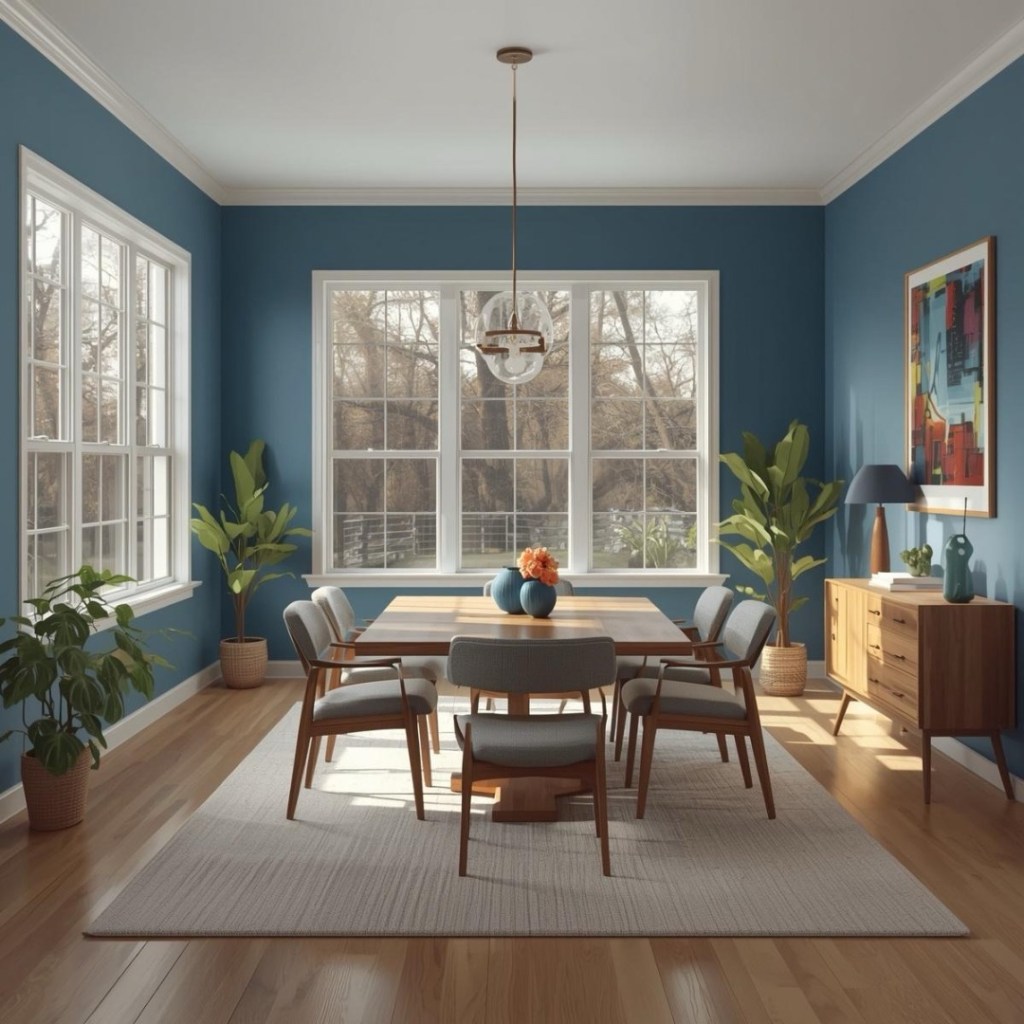
Blue is more than just a color; it’s a mood. Universally associated with calmness, stability, and clarity, blue can reduce stress, lower heart rate, and create a sense of spaciousness. It’s no wonder it’s a top choice for bedrooms, bathrooms, home offices, and even living areas.
But not all blues are created equal. The shade you choose dramatically affects the emotional tone and visual impact of a room. So before you break open that paint can, consider your room’s purpose, lighting, and existing decor.
1. Sky Blue: Light, Airy, and Uplifting
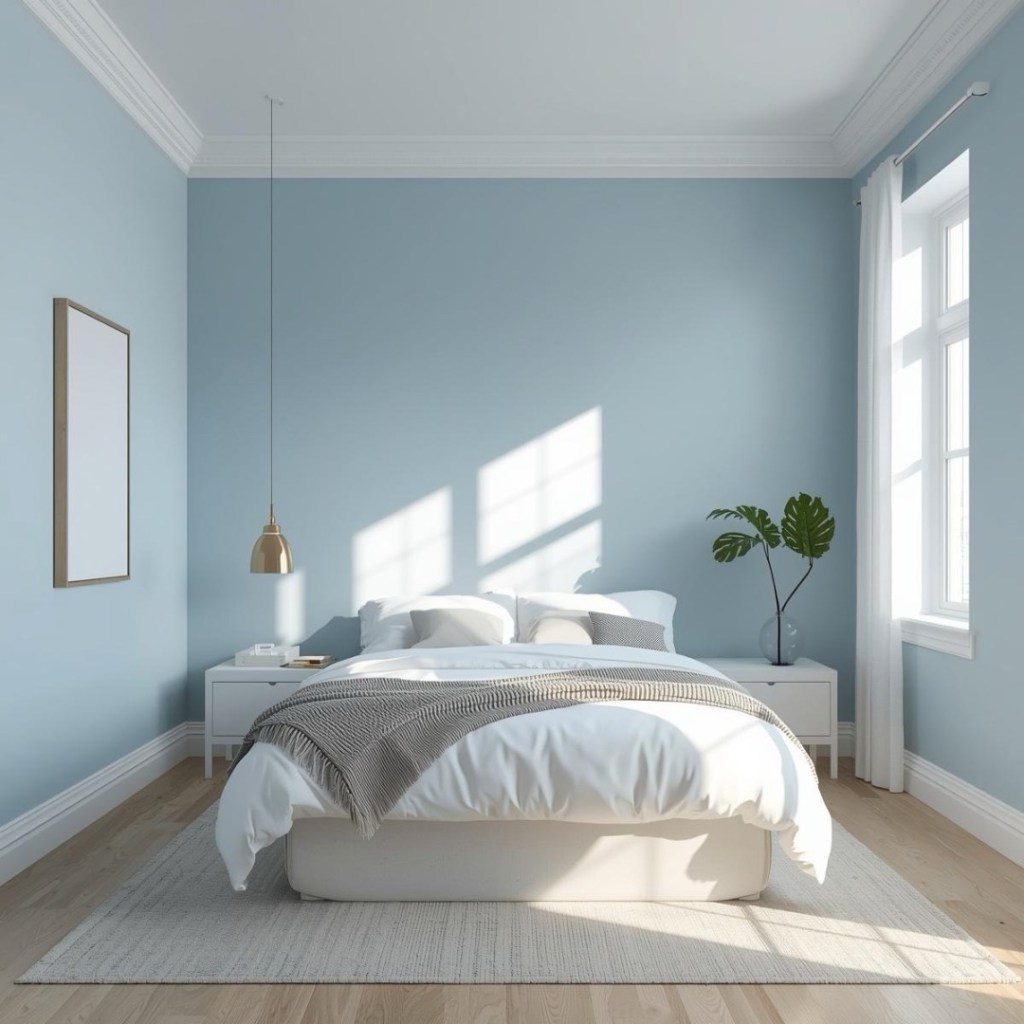
Best for: Bedrooms, children’s rooms, sunrooms, small spaces
Vibe: Fresh, serene, optimistic
Sky blue is the color of clear summer days—light, airy, and effortlessly cheerful. This soft, cool hue creates an open, uplifting atmosphere, making it ideal for rooms with limited natural light or compact footprints.
Tip: Pair sky blue with crisp white trim, natural wood finishes, and linen textiles for a Scandinavian or coastal cottage feel. It complements yellow and coral accents beautifully, adding a playful contrast.
2. Powder Blue: Soft and Soothing
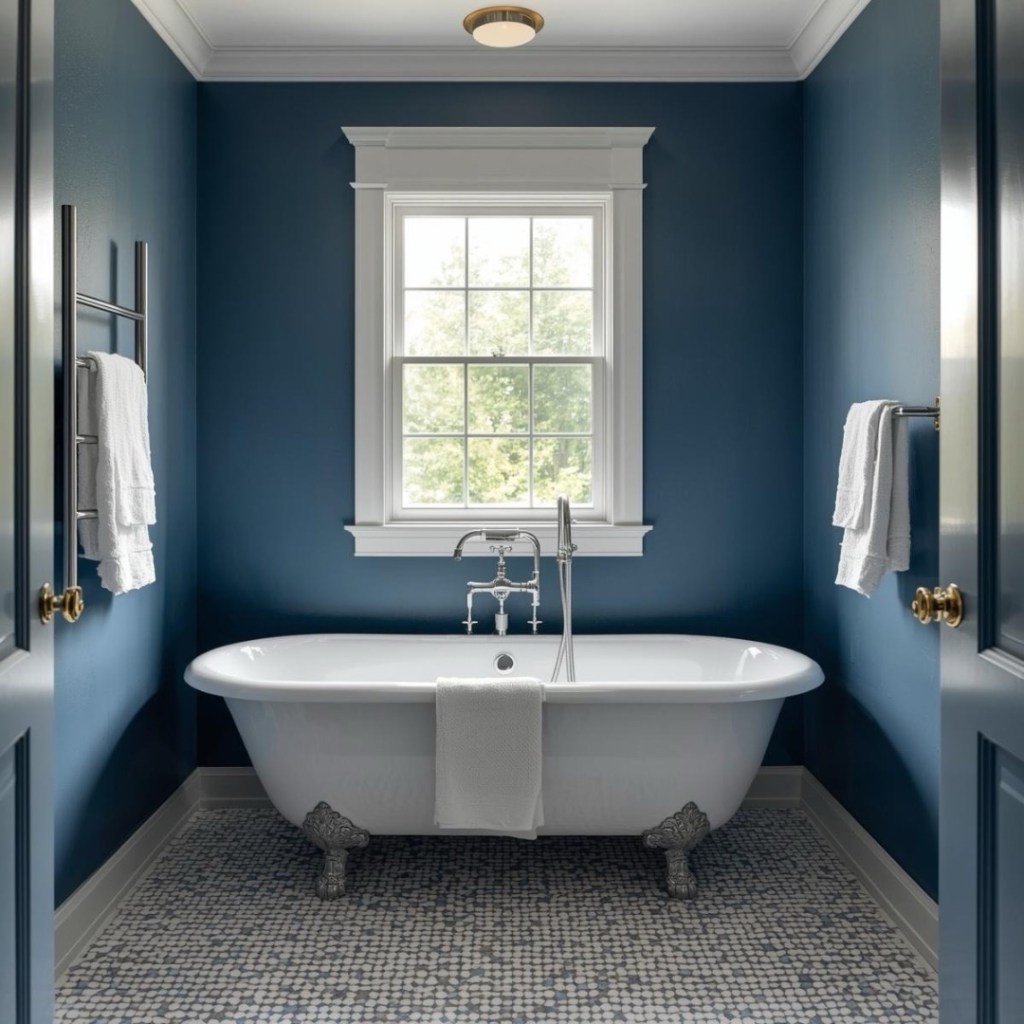
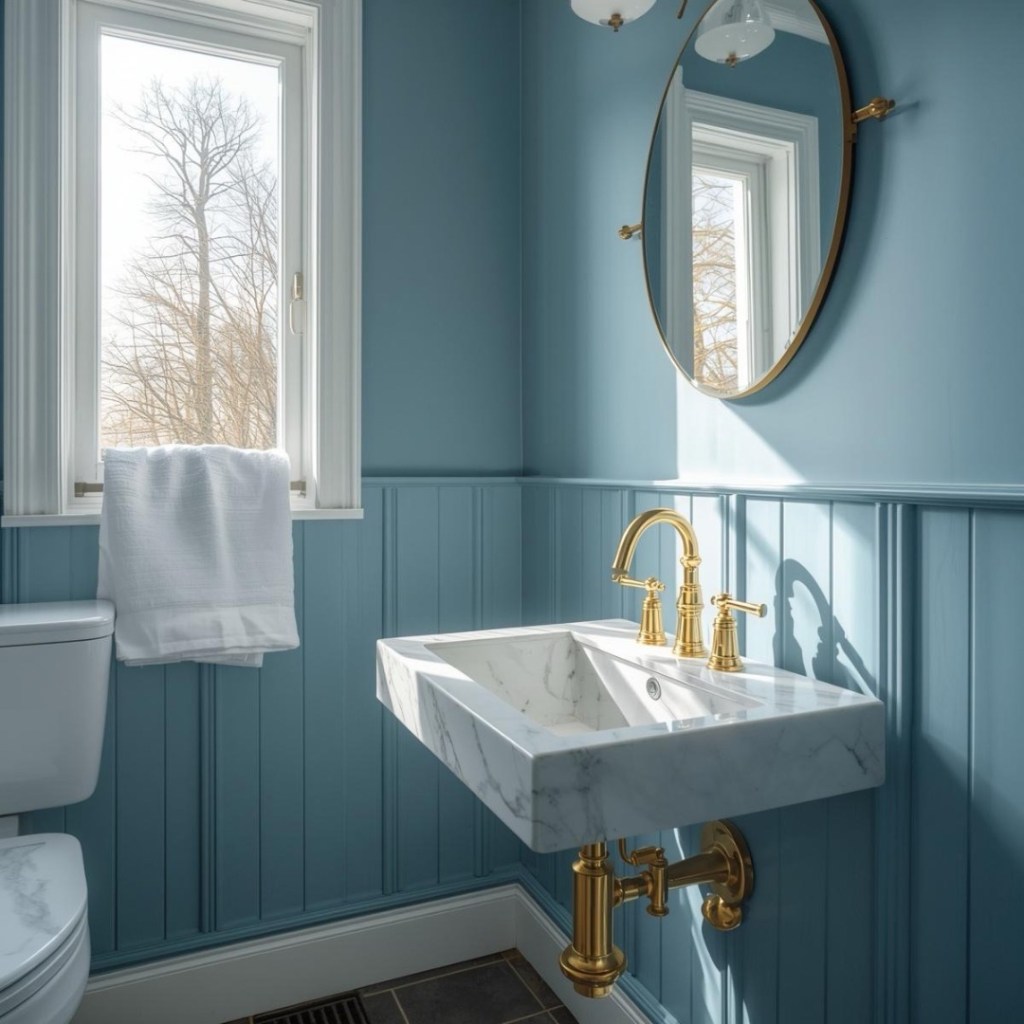
Best for: Bathrooms, nurseries, guest rooms
Vibe: Gentle, calming, vintage charm
Slightly deeper than sky blue but still very light, powder blue exudes quiet sophistication. It has a nostalgic charm—think retro diners and 1950s kitchens—that lends warmth without overwhelming.
Tip: Use powder blue in a bathroom with matte black fixtures for a timeless look, or in a nursery with cloud-shaped decals and soft gray furniture for a dreamy retreat.
3. Cornflower Blue: Vibrant and Youthful
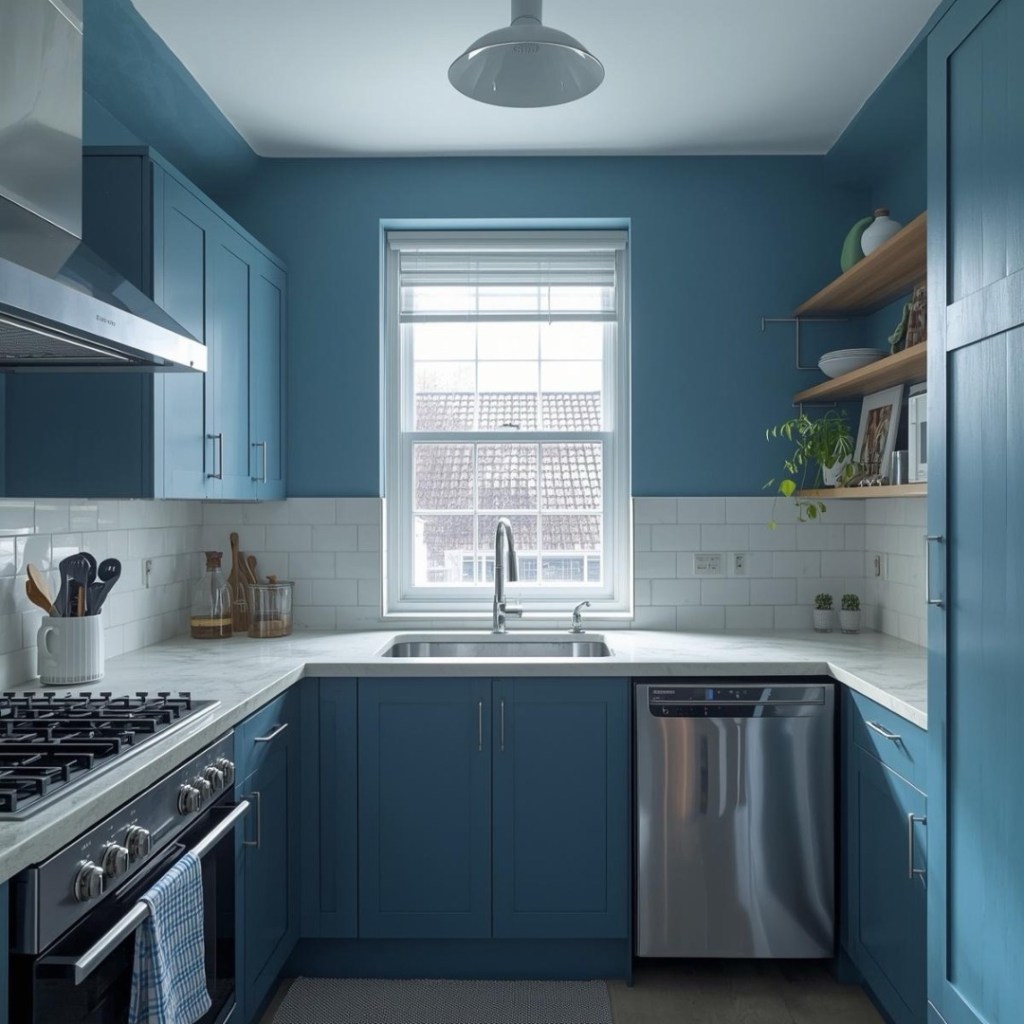
Best for: Kitchens, home offices, accent walls
Vibe: Energizing, creative, approachable
With a touch more saturation than powder blue, cornflower blue strikes a balance between playful and professional. It’s bright enough to stimulate creativity, yet calming enough to keep the space balanced.
Tip: Use it on a single accent wall behind a desk or bookshelf to boost focus without dominating the room. It pairs well with warm wood tones, mustard yellow, and crisp white.
4. Teal: Bold and Sophisticated
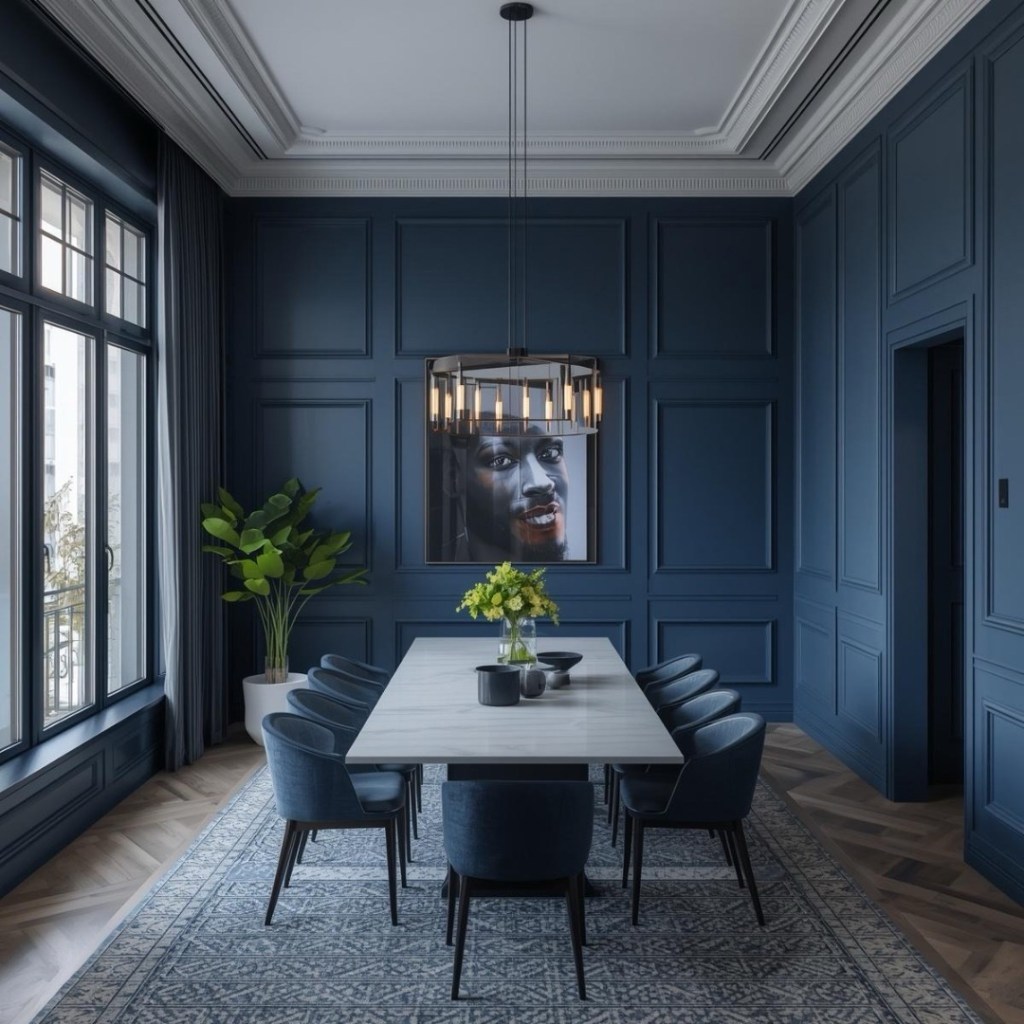
Best for: Dining rooms, libraries, entryways
Vibe: Luxe, dramatic, artistic
Teal—a fusion of blue and green—brings depth and richness to a space. It feels both modern and timeless, especially when paired with gold or brass accents.
Tip: Consider matte teal walls in a formal dining room with a glossy wood table and velvet chairs. For a contemporary twist, use teal in a gallery wall setting with black-and-white art.
5. Navy Blue: Deep, Dramatic, and Timeless
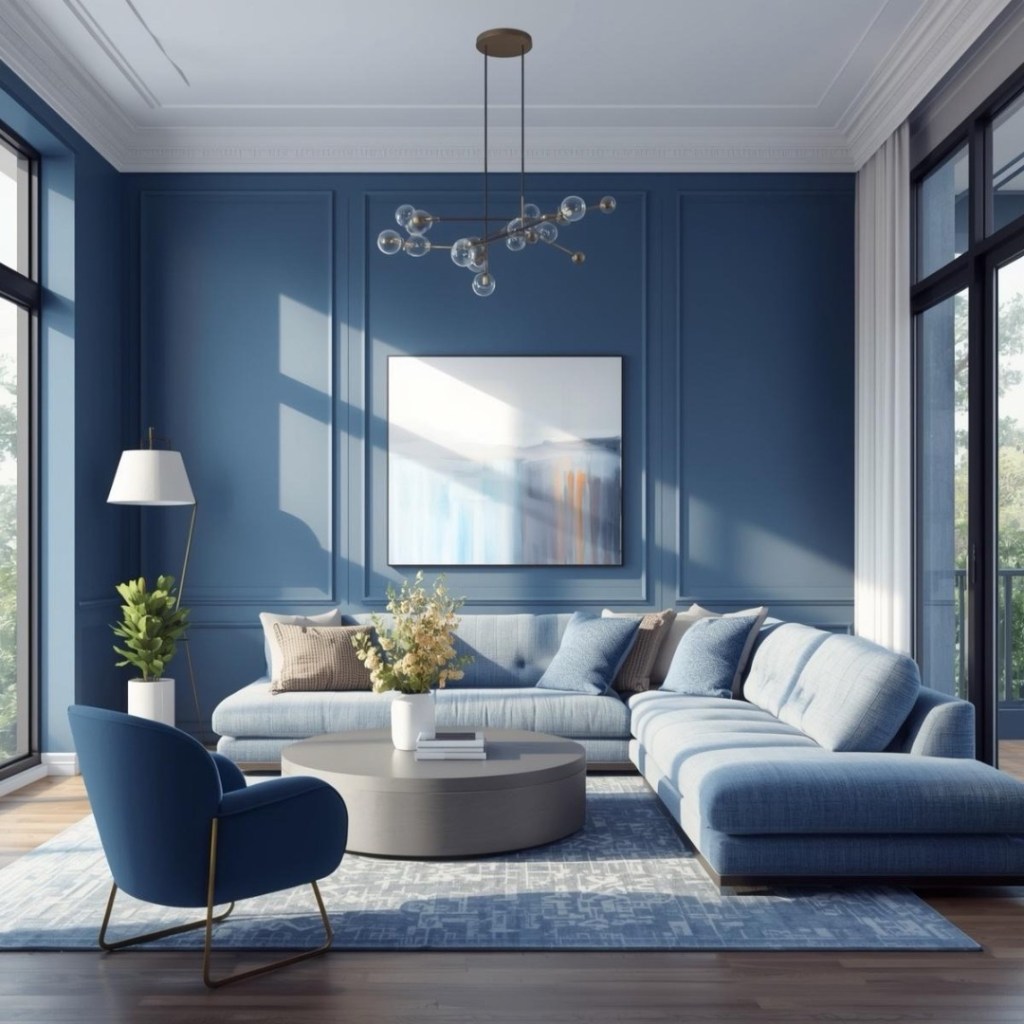
Best for: Living rooms, studies, bedrooms, feature walls
Vibe: Elegant, moody, sophisticated
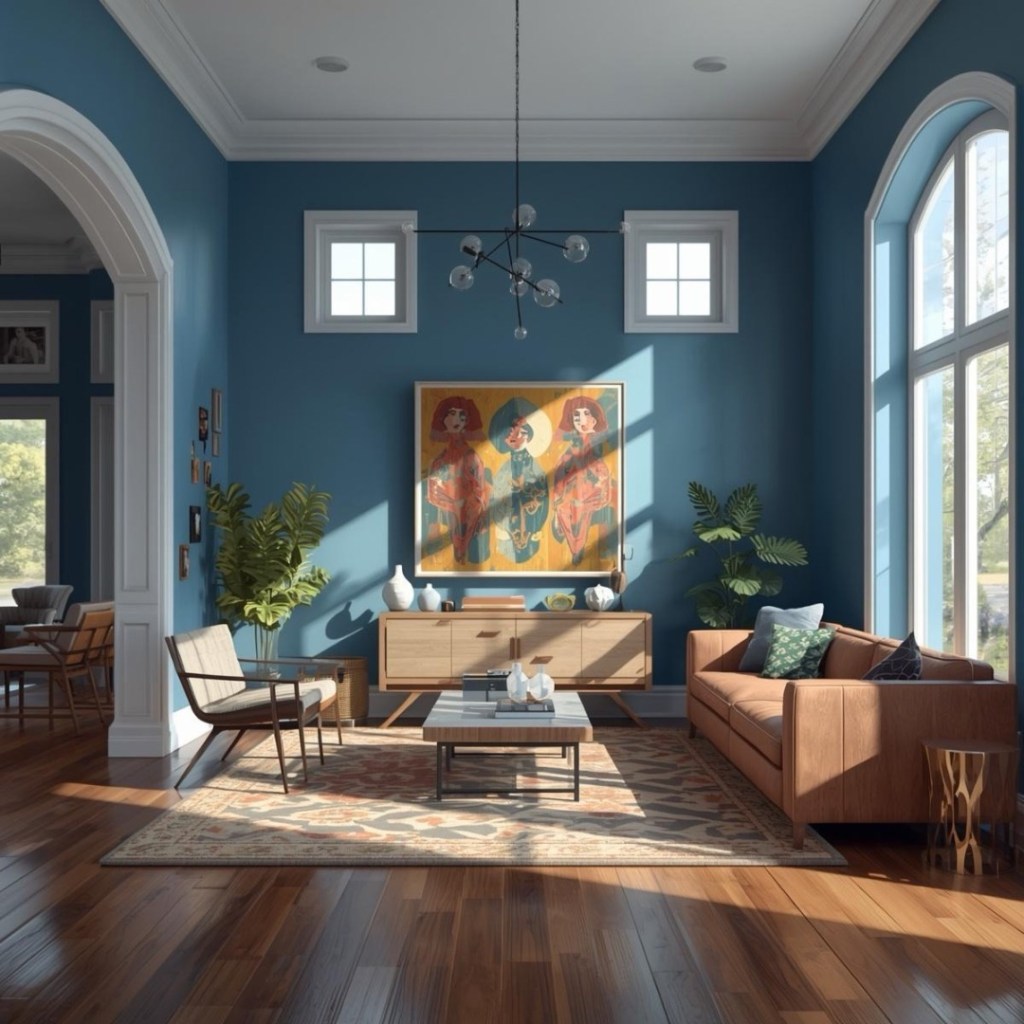
Navy blue is the ultimate statement shade. Deep and commanding, it adds a sense of luxury and intimacy to a room. It’s surprisingly versatile—navy can feel cozy in a bedroom and stately in a home office.
Tip: Balance navy walls with light-colored furniture, metallics (like brass or chrome), and ample lighting to prevent the room from feeling too dark. Navy works beautifully with crisp white trim, cream-colored sofas, or even bold patterns in contrasting hues.
How to Choose: Factors to Consider
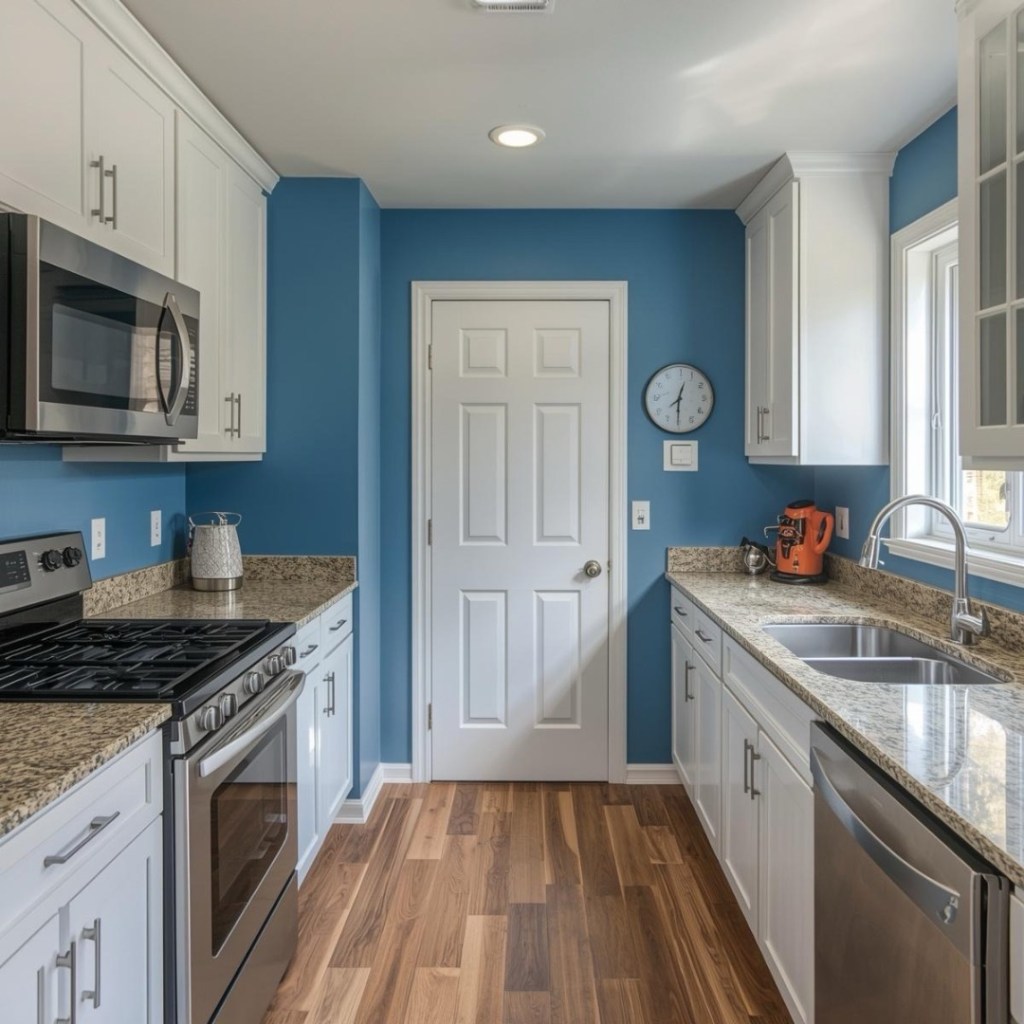
- Room Size and Light
Light blues open up small or dark rooms. Darker blues like navy can make large spaces feel cozier—but ensure you have plenty of natural or artificial light to avoid a cave-like effect. - Room Purpose
Bedrooms and bathrooms benefit from calming blues, while workspaces can handle more energizing shades like cornflower or teal. - Existing Decor
Take note of your furniture, flooring, and window treatments. Blue pairs beautifully with neutrals (white, gray, beige), earth tones (tan, terracotta), and complementary colors (mustard, coral, emerald). - Undertones Matter
Blue paint often has undertones—green (in teal), purple (in indigo), or gray (in slate). Test swatches on your wall at different times of day to see how they shift in natural versus artificial light.
Final Tips for Painting with Blue
- Sample First: Always paint a large swatch on each wall and observe it at dawn, noon, and dusk.
- Consider the Ceiling: A white ceiling keeps the space open; a tinted ceiling in a lighter blue adds drama.
- Accent Right: Use blue in small doses (pillows, art, rugs) if you’re hesitant. You can always go bolder later.
- Layer Textures: Combine painted walls with textured fabrics, wood, and metals to add depth and prevent flatness.
Conclusion: Dive Into Blue with Confidence
Blue is not just a color—it’s a design superpower. Whether you’re drawn to the whisper of a sky-blue morning or the regal depth of navy, there’s a shade to match every mood, style, and space. By understanding the emotional and visual impact of each hue, you can turn your walls into a canvas of calm, creativity, or elegance.
So go ahead—take the plunge. Paint your world blue, and watch your room transform into something truly extraordinary.
What’s your favorite shade of blue? Share your before-and-after stories in the comments below!
If you liked my blog post “Choosing the Right Blue for your Walls: from Airy Sky‑Blue to Deep Navy” have also a look at A Japanese-Style Bedroom

 Hygge Design
Leave a comment