

How to Furnish Your Dining Area: Comfort and Casual Hospitality
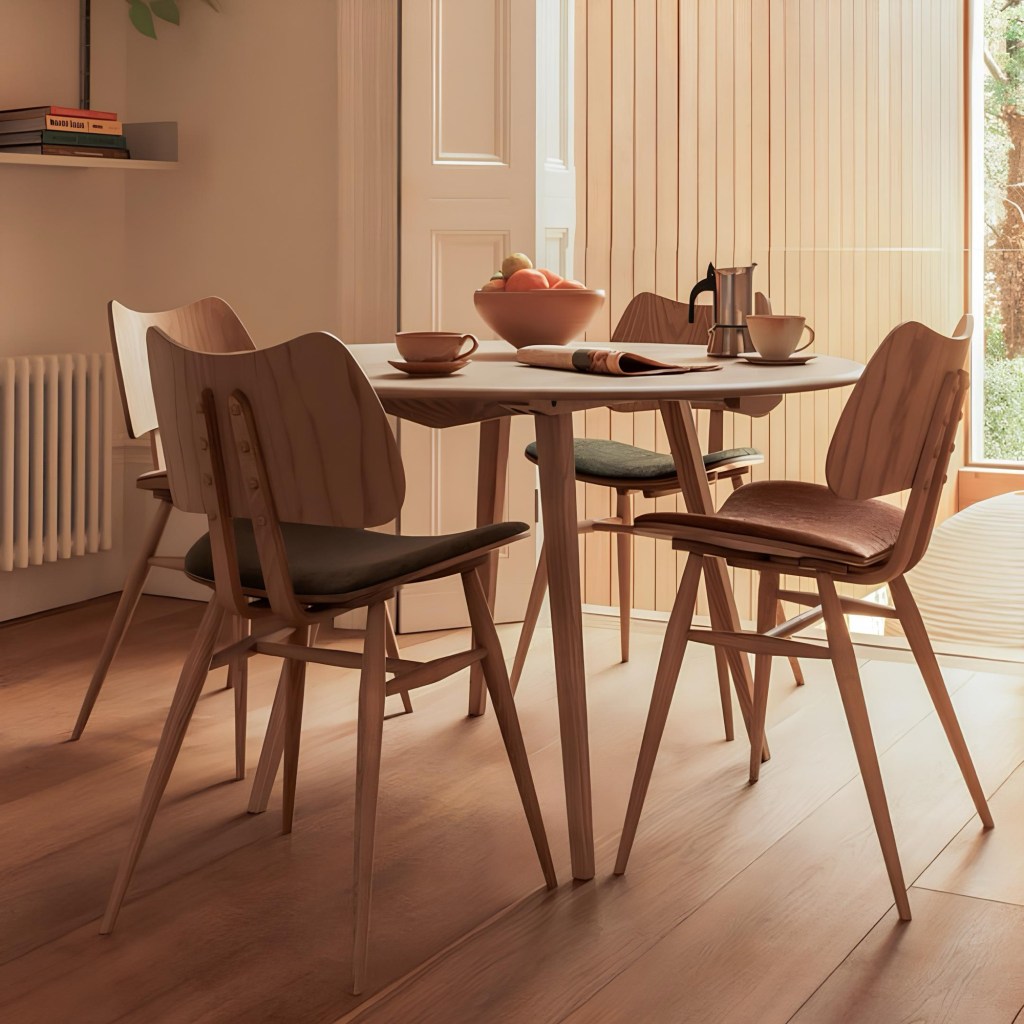
The dining area has evolved far beyond its traditional role as a formal space reserved for holiday meals and special occasions. In modern homes, this cherished space serves as the heart of daily connection—a place where families gather over weeknight dinners, friends share bottles of wine and laughter, and quiet morning rituals unfold over steaming coffee. Creating a dining area that balances genuine comfort with effortless hospitality transforms this room from mere functional space into the welcoming nucleus of your home.
Furnishing your dining area with intention and warmth doesn’t require a massive budget or a degree in interior design. It simply requires understanding what makes a space feel inviting, and then curating elements that reflect your personal style while prioritizing the comfort of your guests. Whether you’re working with a spacious formal dining room or a cozy breakfast nook, the principles of casual hospitality remain beautifully consistent.
The Foundation: Choosing Your Dining Table
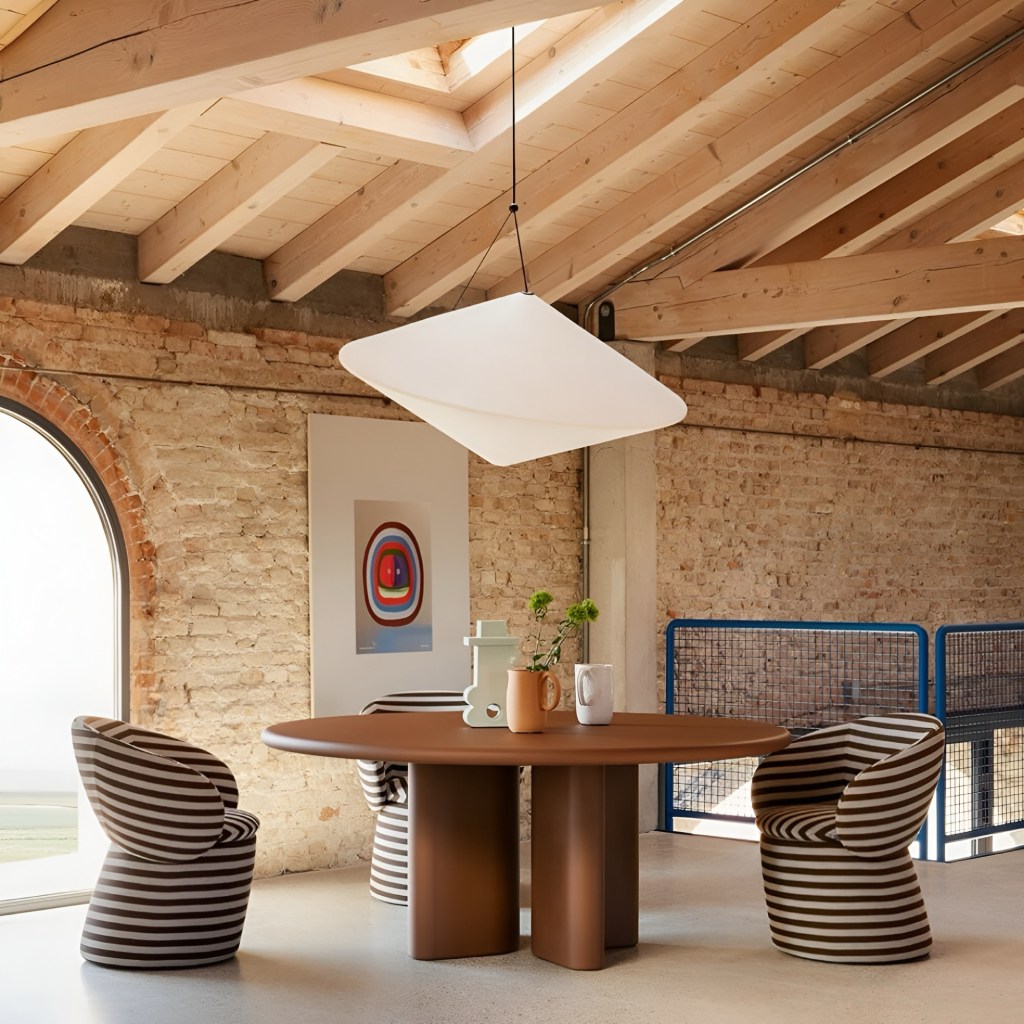
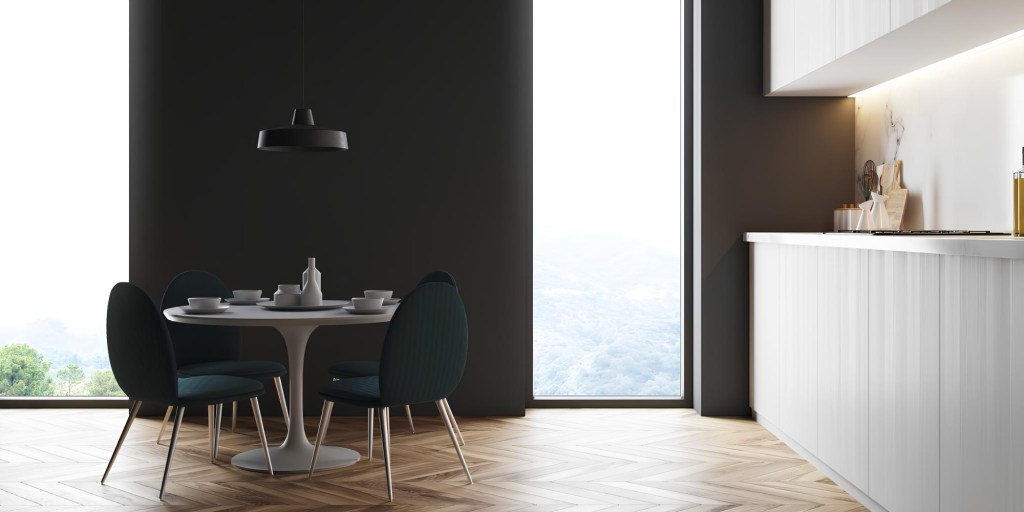
The dining table stands as the undisputed centerpiece of your entire dining area, and selecting the right one sets the tone for everything else you will add. Before falling in love with a particular style or finish, consider how you actually want this space to function in your daily life. Do you envision lively dinner parties where guests linger for hours, or are you drawn to intimate family meals where conversation flows as freely as the food? Perhaps you hope your dining area will serve triple duty as a homework station, a workspace, and a gathering place. Understanding your priorities will guide you toward a table that genuinely fits your lifestyle.
When it comes to materials, wood carries an inherent warmth that simply cannot be replicated. A solid oak table with its natural grain patterns tells a story and ages beautifully, developing character through the years of meals, projects, and memories it witnesses. Reclaimed wood brings additional texture and history, often featuring unique imperfections that add tremendous visual interest. If you prefer a more refined aesthetic, a smooth walnut tabletop offers rich depth and sophisticated appeal. For those working with smaller spaces or seeking lighter aesthetics, a well-crafted veneer on a sturdy frame can achieve similar warmth at a more accessible price point.
The shape of your table deserves equally careful consideration. Rectangular tables remain the most versatile option, comfortably accommodating larger groups while fitting naturally against walls in smaller rooms. Round tables encourage conversation and create a sense of equality among diners—no one sits at the awkward “end” of the table. Square tables work beautifully in intimate spaces, seating four guests in cozy proximity. Consider the flow of movement around your table as well; you want at least three feet of clearance on all sides to allow chairs to slide back comfortably and for guests to move around without feeling cramped.
Seating That Invites linger
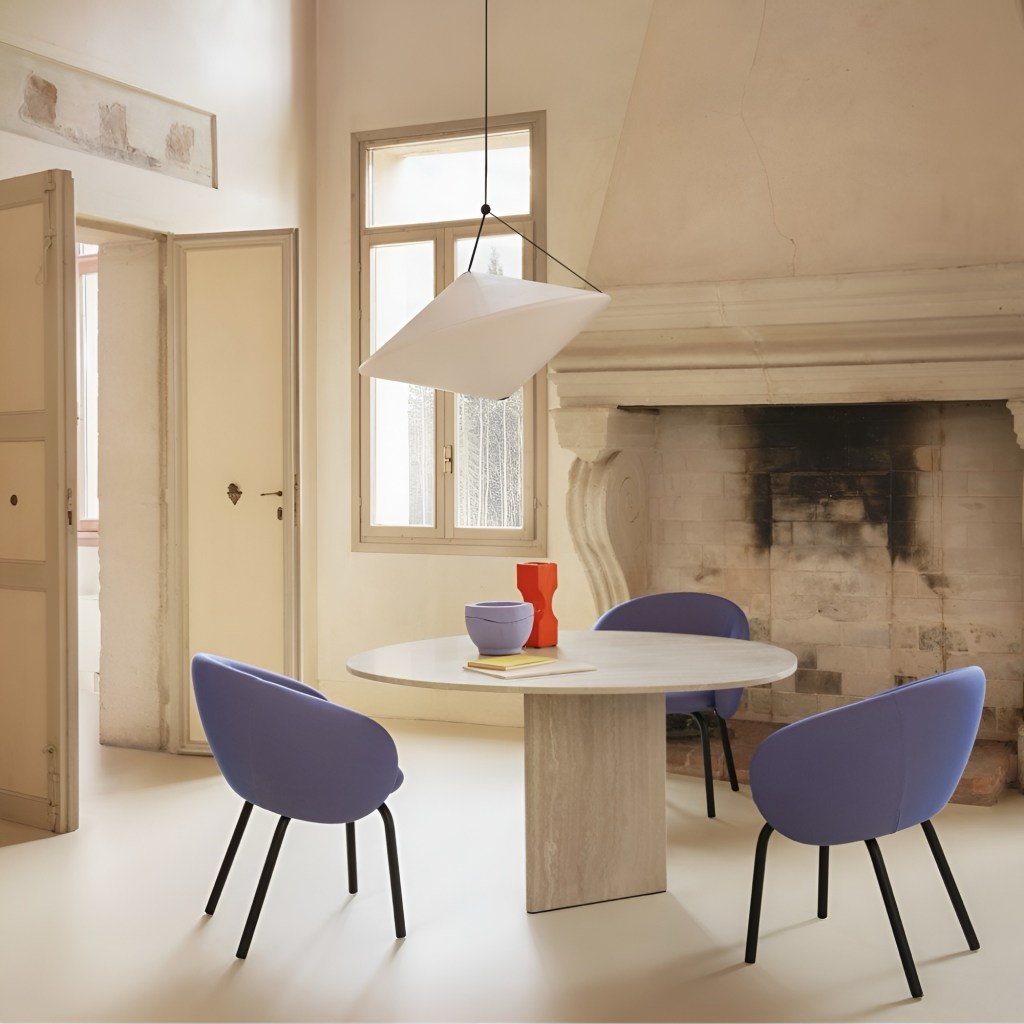
Perhaps nothing affects the comfort of your dining experience more than the chairs themselves. Uncomfortable dining chairs quickly transform joyful meals into eager exits, while thoughtfully chosen seating encourages guests to settle in, relax, and stay for that second (or third) glass of wine. The secret lies in balancing aesthetics with ergonomic reality—your chairs should be as comfortable as they are beautiful.
Upholstered chairs instantly elevate the comfort factor of any dining space. A well-padded seat cushion makes sitting for extended periods genuinely pleasant, while a upholstered backrest adds visual softness and physical support. When selecting fabric, consider both durability and ease of cleaning—performance fabrics in neutral tones offer peace of mind without sacrificing style. Leather chairs develop a beautiful patina over time and wipe clean easily, making them excellent choices for families with children or anyone who enjoys hosting messy, enjoyable meals.
Don’t overlook the power of mixing and matching chairs for an intentionally eclectic look. Pairing two styles of chairs along a long table creates visual interest and often works practically too—one side might feature armchairs for older guests who prefer more support, while the other side offers sleek side chairs that fit smaller frames or children. This collected-over-time aesthetic feels inherently warm and hospitable, as though your dining chairs have stories to tell.
Benches have surged in popularity for good reason. They offer incredible flexibility, allowing you to squeeze in additional guests during larger gatherings while pushing neatly under the table when not in use. Bench seating also creates a more casual, communal vibe that encourages closeness and conversation. Consider a padded bench with storage underneath for smaller spaces, combining comfort with practical functionality.
Lighting That Sets the Mood
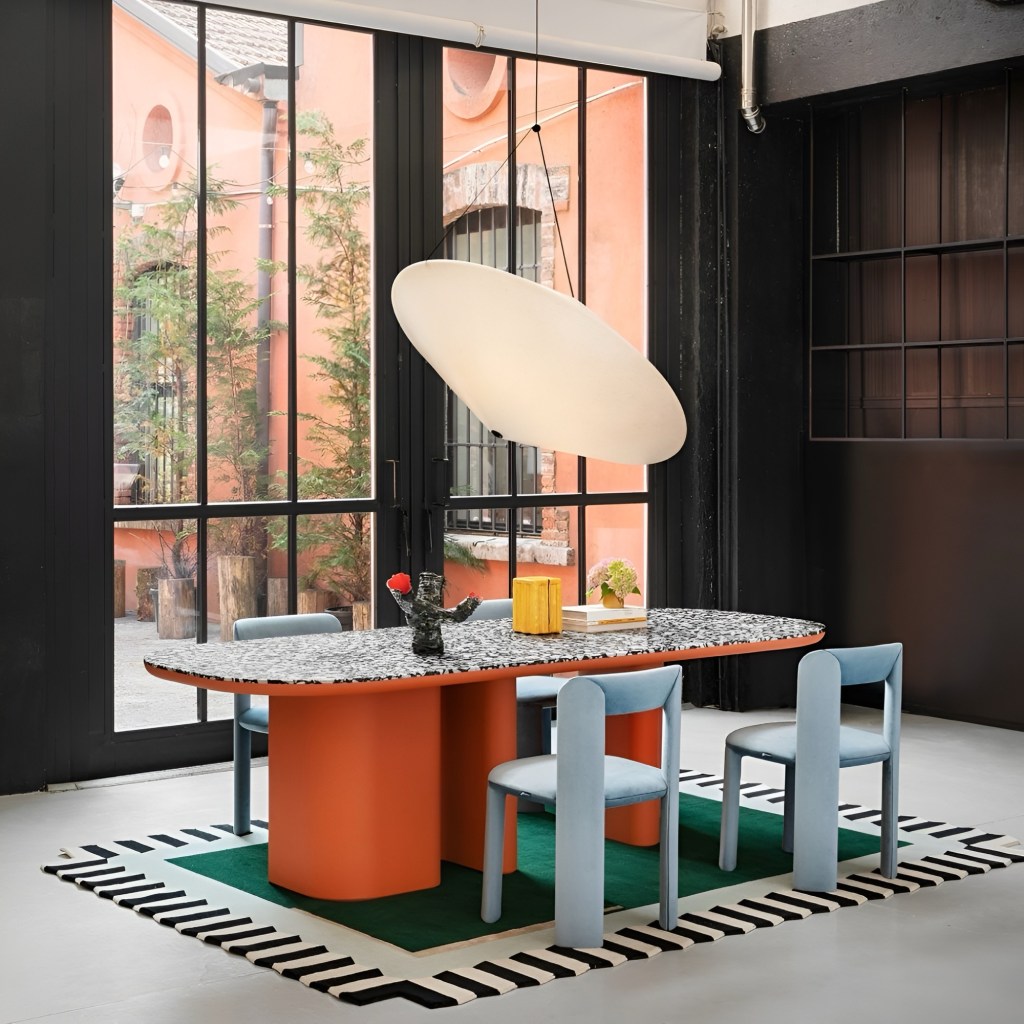
Lighting performs the unsung work of transforming your dining area throughout the day and evening, shifting from crisp and energizing during morning meals to warm and intimate as daylight fades. Thoughtful layering of different light sources creates this versatility and ensures your space always feels appropriately lit for whatever occasion calls you to the table.
A statement chandelier or pendant light above the dining table anchors the space and serves as a natural focal point. When selecting your fixture, consider the scale of your table and the height of your ceilings. A chandelier that is too small will look lost and fail to illuminate the table adequately, while one that is too large will overwhelm the space and create the awkward head-bumping situation every dining room visitor fears. As a general guideline, your chandelier should measure approximately one-half to two-thirds the width of your table, hanging about three feet above the tabletop for standard eight-foot ceilings.
The warmth of your light bulbs dramatically affects the ambiance of your space. Bulbs rated 2700K to 3000K emit a warm, amber-toned glow that feels inviting and relaxed—ideal for evening dining and entertaining. Daylight-balanced bulbs in the 5000K range feel more energizing and work well for morning breakfast nooks or spaces used for homework and crafts. Dimmable fixtures offer the ultimate flexibility, allowing you to adjust the mood with a simple switch.
Supplementary lighting through wall sconces, Buffet lamps, or even carefully placed floor lamps fills out the room and eliminates harsh shadows. These secondary sources should ideally be controlled separately from your main fixture, giving you complete command over the ambiance. Candles, whether real or battery-operated with realistic flickering effects, add an incomparable warmth that electric lighting simply cannot replicate.
Layers of Warmth: Textiles and Accessories
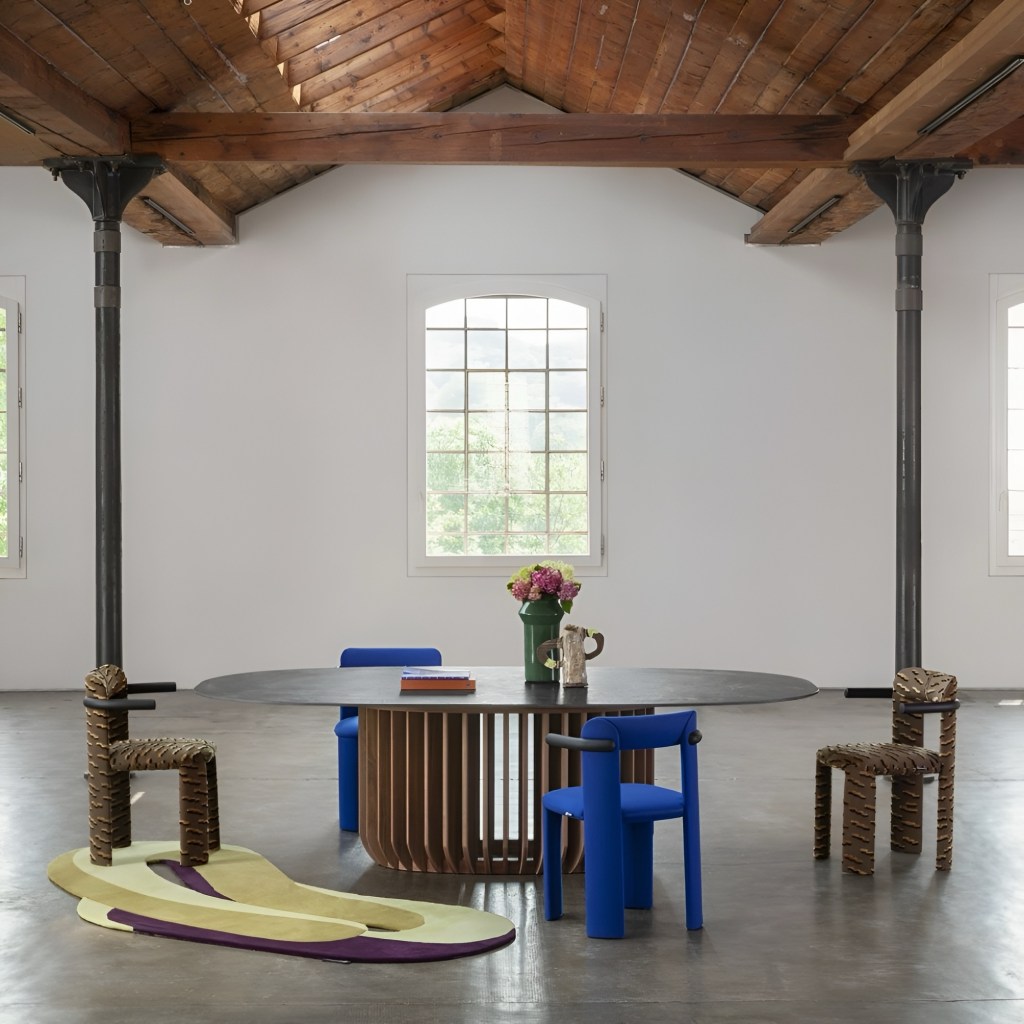
The textures and accessories you introduce transform a bare dining space into a welcoming environment that practically beckons your guests to stay awhile. These layers add visual warmth, absorb sound to create comfortable acoustics, and reflect your personal style in ways that generic furnishings cannot.
A well-chosen area rug grounds your dining arrangement and adds tremendous visual and physical warmth. When selecting a rug for your dining area, prioritize easy cleaning and durability—spills are simply part of the dining experience. Natural fibers like jute and sisal offer tremendous texture and hide dirt remarkably well, while low-pile wool rugs provide cushion underfoot and excellent longevity. Size matters enormously here; your rug should extend at least two feet beyond the edges of your table on all sides, creating a generous frame that accommodates chairs even when pushed back.
Table linens offer perhaps the easiest way to shift the mood of your dining area with the seasons or your whims. A simple linen tablecloth in a neutral tone instantly softens a formal setting, while vibrantly colored napkins add pops of personality to everyday meals. Consider keeping a collection of napkins in various colors and textures, rotating them not just seasonally but whenever you crave a fresh look. A runner down the center of your table provides another opportunity for texture and color, creating a foundation for candles, centerpieces, and the everyday clutter of shared meals.
Centerpieces and decorative accessories should enhance rather than obstruct conversation across the table. Low arrangements of greenery, candles at varying heights, or a simple bowl of fruit create visual interest without blocking sightlines. Consider the practical reality of your gatherings: tall floral arrangements might look spectacular at a cocktail party but make dinner conversation feel like a tennis match. Embrace imperfection and collected pieces—a mismatched collection of mercury glass candlesticks, vintage brass accessories, or simple ceramic vessels feels infinitely more welcoming than a matched set purchased all at once.
The Art of Casual Hospitality
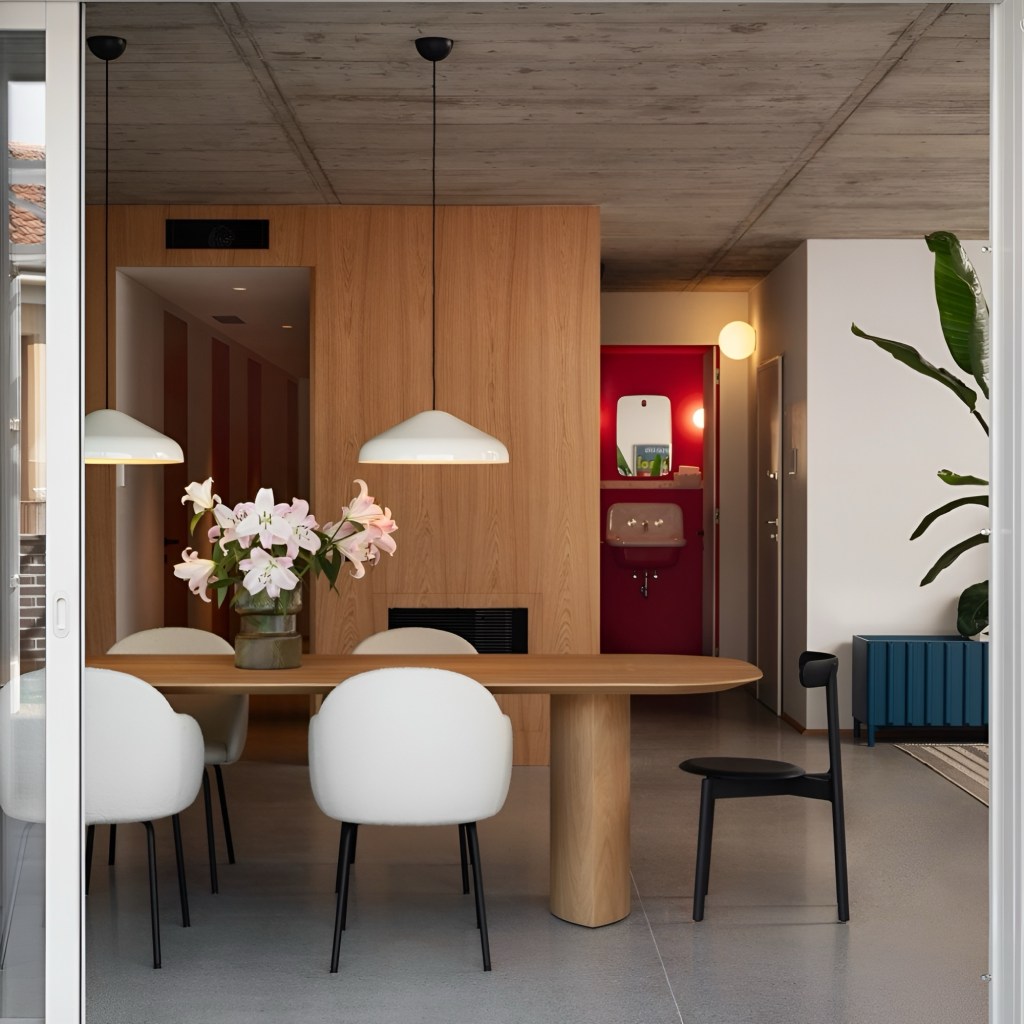
True hospitality extends far beyond the physical furnishings of your space; it encompasses the atmosphere you create and the feelings you evoke in your guests. A room furnished with expensive pieces can feel cold and unwelcoming, while a modestly appointed space radiates warmth precisely because it has been shaped with genuine care and intention.
Embrace the beauty of lived-in spaces. Perfectly arranged rooms rarely feel genuinely inviting. Allow books to stack naturally on a sideboard, displaying your interests and starting conversations. Showcase artwork that speaks to you rather than what a designer might prescribe. Let your dining area reflect the reality of your life—the family photos, the travel souvenirs, the flowers from your garden imperfectly arranged in a thrifted vase. These personal touches transform a model-home dining room into a home that genuinely welcomes guests.
Consider the flow and function of your space as you arrange it. Keep the pathways clear so movement feels natural and unhurried. Position your bar or sideboard within easy reach of the table so refilling glasses requires minimal disruption to conversation. If your dining area connects to other living spaces, ensure visual continuity through consistent color palettes or complementary styles. A seamless flow between rooms encourages guests to move freely and feel completely at ease.
Finally, cultivate the habit of preparation without rigidity. Having beautiful linens, comfortable seating, and thoughtful lighting means your space is always ready to receive visitors. But the true spirit of casual hospitality lies in welcoming guests into your real life—not a curated performance. Some of the most memorable dinners happen around cluttered tables where homework has been hastily pushed aside, where the dog has claimed the corner spot, and where the conversation matters more than the perfect arrangement of napkin folds.
Bringing It All Together
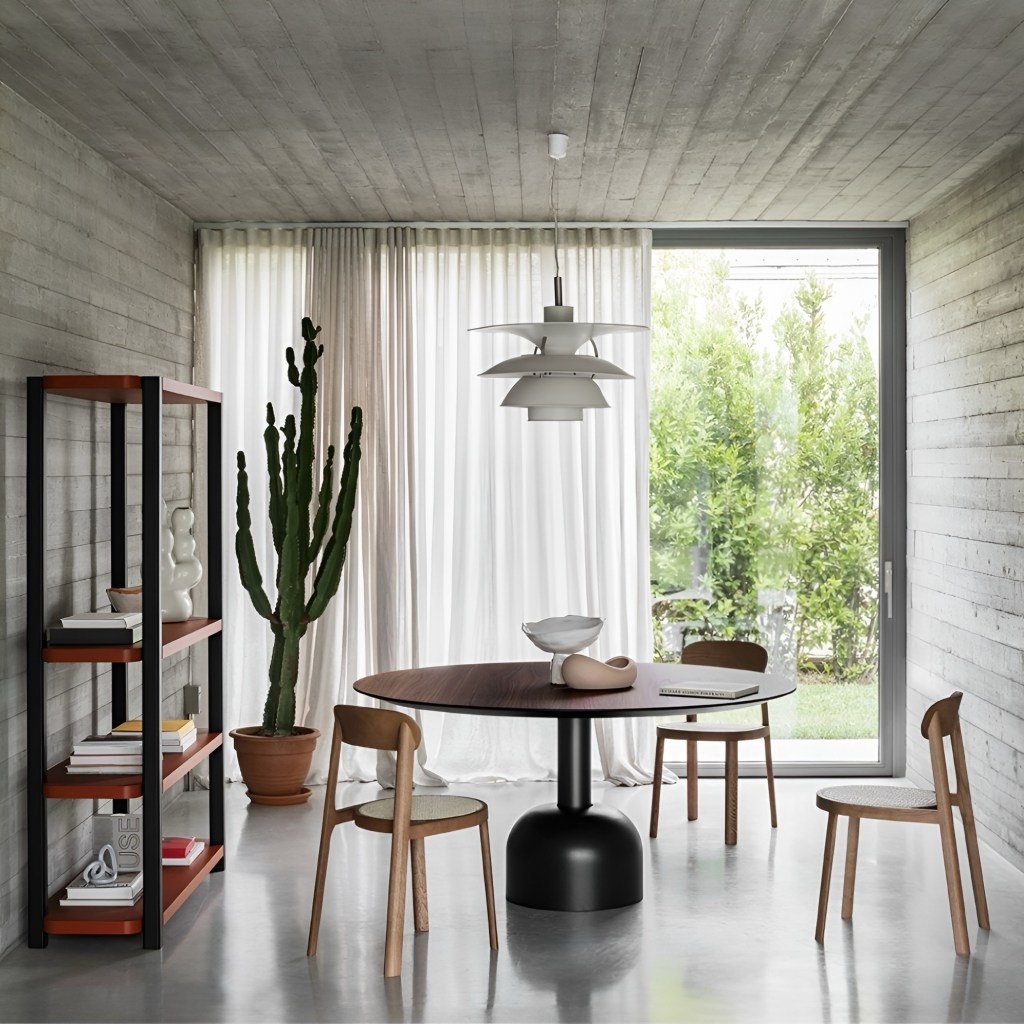
Creating a dining area that embodies comfort and casual hospitality is a gradual, evolving process. Start with the foundation—your table and primary seating—investing in pieces that will withstand daily use and bring you genuine pleasure. Layer in lighting that makes every time of day feel right in your space. Add textiles and accessories that reflect your personality and invite linger. Then stand back and enjoy the result: a dining area that welcomes your family and friends with open arms, that supports the rhythms of daily life, and that makes every meal feel like a small celebration of connection and community.
The most successful dining spaces share a common quality: they feel inevitable, as though they could not possibly be any other way. Your dining area should feel like an extension of yourself and your household—a place where comfort is paramount and hospitality flows naturally. With these principles as your guide, you will create not just a room, but a gathering place that serves your life beautifully for years to come.
If you liked my blog post “Dine in Comfort: How to Curate the Perfect Casual Gathering Spot” have also a look at Creating a Hygge Space with Textile Folding Doors




Leave a Reply