

Home Well-Being: The Secret to a Home That Takes Care of Us
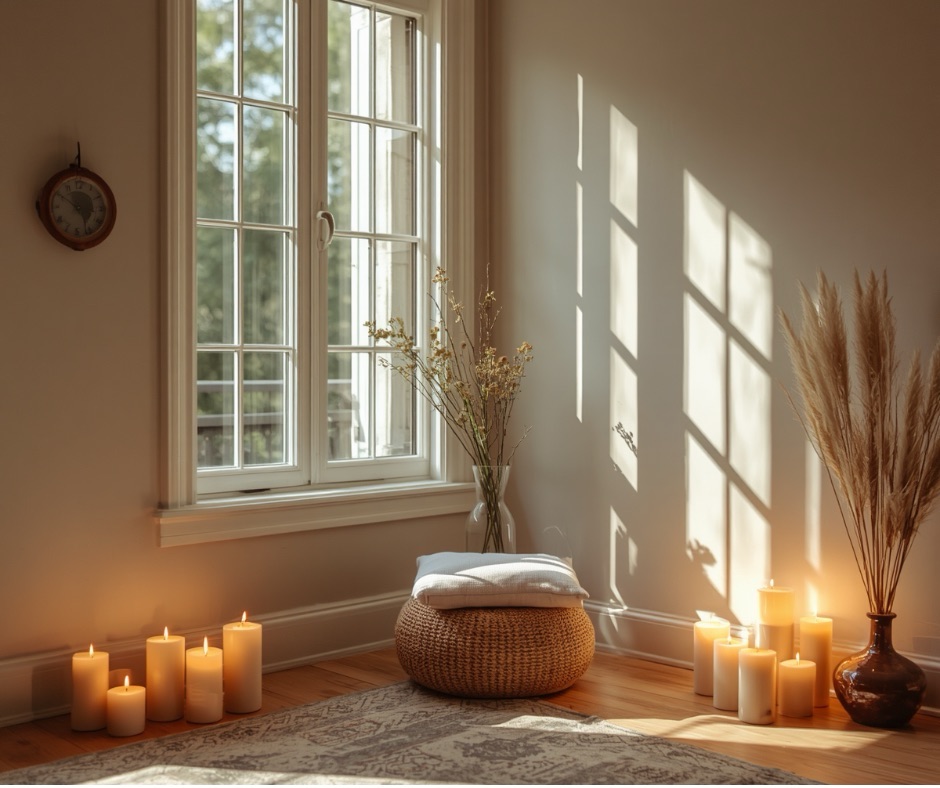
We live in an increasingly fast-paced world, where daily commitments, technology, and stress threaten to distract us from what truly matters: feeling good. For this reason, the concept of home well-being has become one of the pillars of contemporary interior design.
Home is not just the place where we sleep or spend our free time. It’s the space that influences our mood, our productivity, the quality of our rest, and even our relationships with those we love.
The Hygge philosophy, which originated in Denmark, teaches exactly this: to create environments that foster comfort, tranquility, and a sense of belonging.
In this article, you’ll discover how to design a home that promotes well-being through design, lighting, materials, and small daily gestures.
Why is home comfort so important?
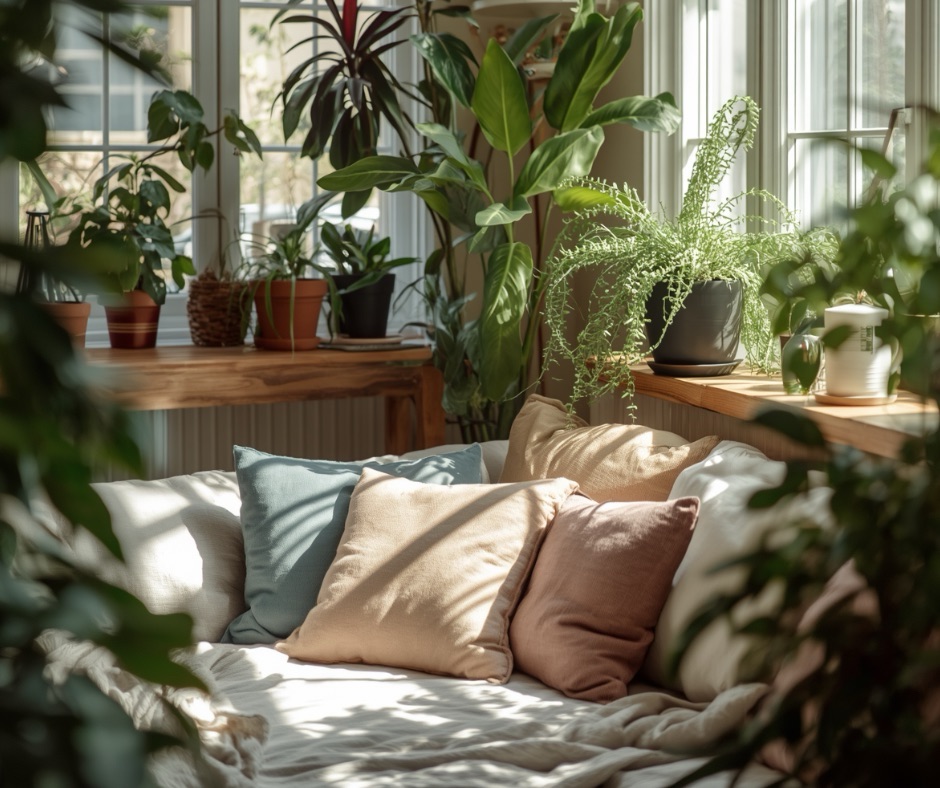
In recent years, numerous studies have shown how the environment in which we live directly influences our mental and physical well-being.
A welcoming home allows us to:
– reduce stress;
– improve sleep quality;
– increase concentration;
– promote relaxation;
– strengthen our sense of security.
When every element of the home is carefully chosen, the spaces become allies in maintaining our daily balance.
Design, therefore, is not just about aesthetics, but also about how we feel inside our home.
Natural light: the first element of well-being
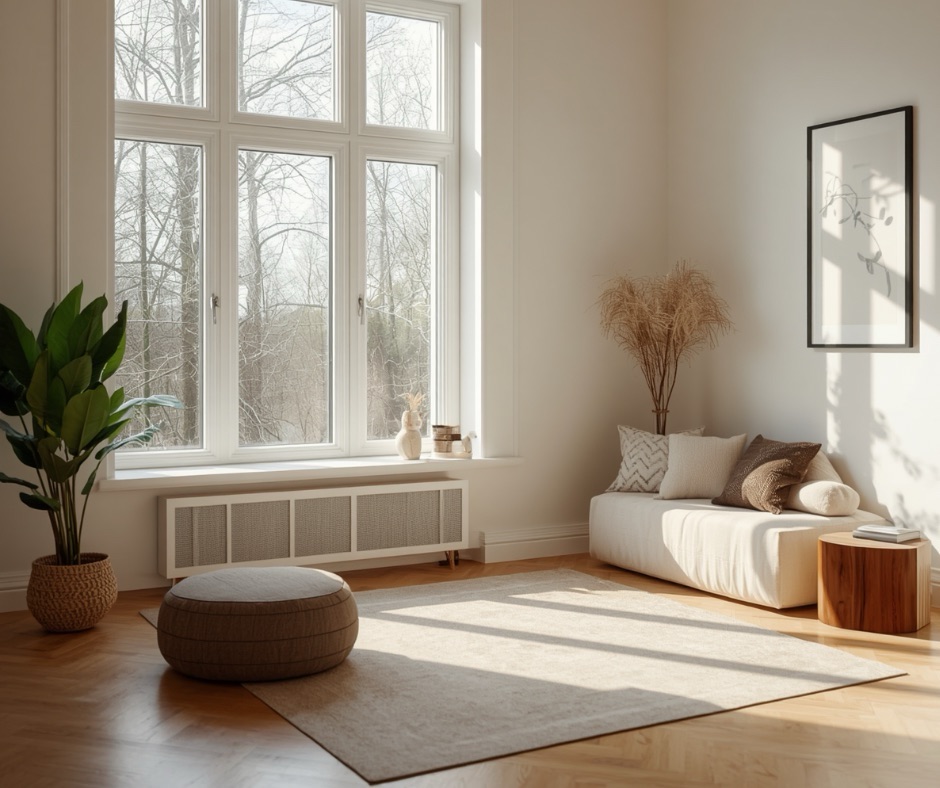
Light is one of the most important aspects of designing a space.
Bright rooms convey energy, improve your mood, and make your home a more pleasant place to live.
To make the most of it, you can:
– use sheer curtains;
– avoid placing furniture that’s too tall in front of windows;
– choose light colors for walls and ceilings;
– place mirrors to reflect light.
When the sun goes down, artificial lighting comes into play.
The Hygge philosophy favors:
– table lamps;
– warm lights (around 2700K);
– candles;
– distributed light sources.
Soft lighting immediately creates a sense of calm and intimacy.
Natural materials that evoke a sense of serenity
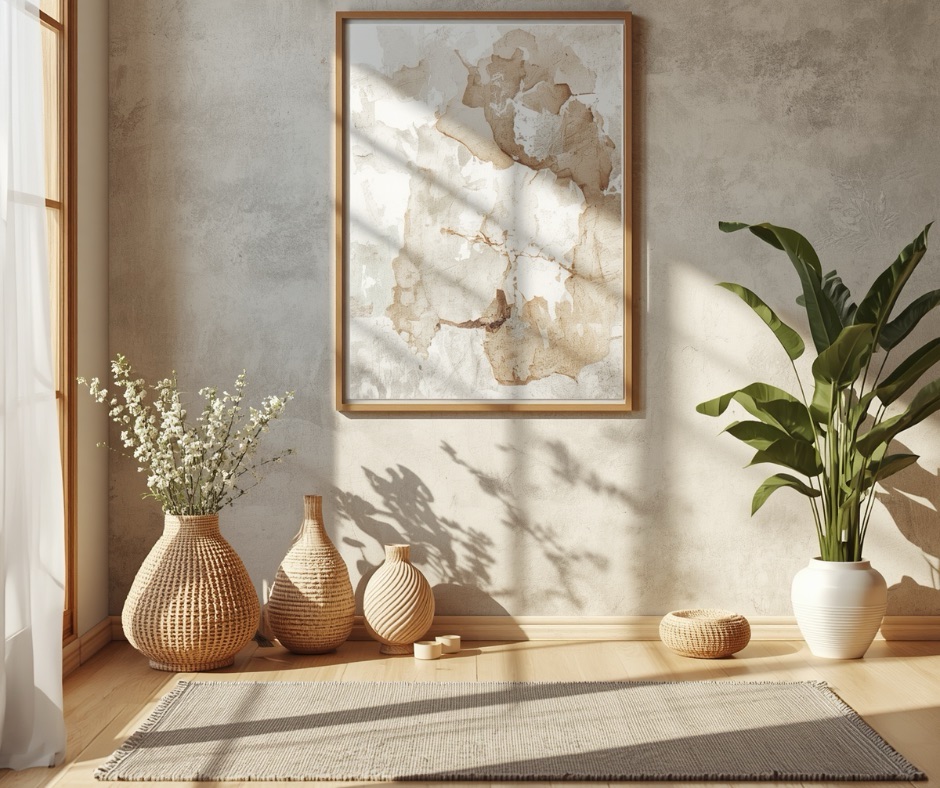
Visual and tactile contact with authentic materials enhances the perception of space.
Among the most commonly used are:
– wood;
– linen;
– cotton;
– wool;
– bamboo;
– natural stone;
– handcrafted ceramics.
These elements make spaces feel warmer and more inviting.
Wood, in particular, conveys stability, while natural fabrics provide comfort and softness.
Colors That Promote Relaxation
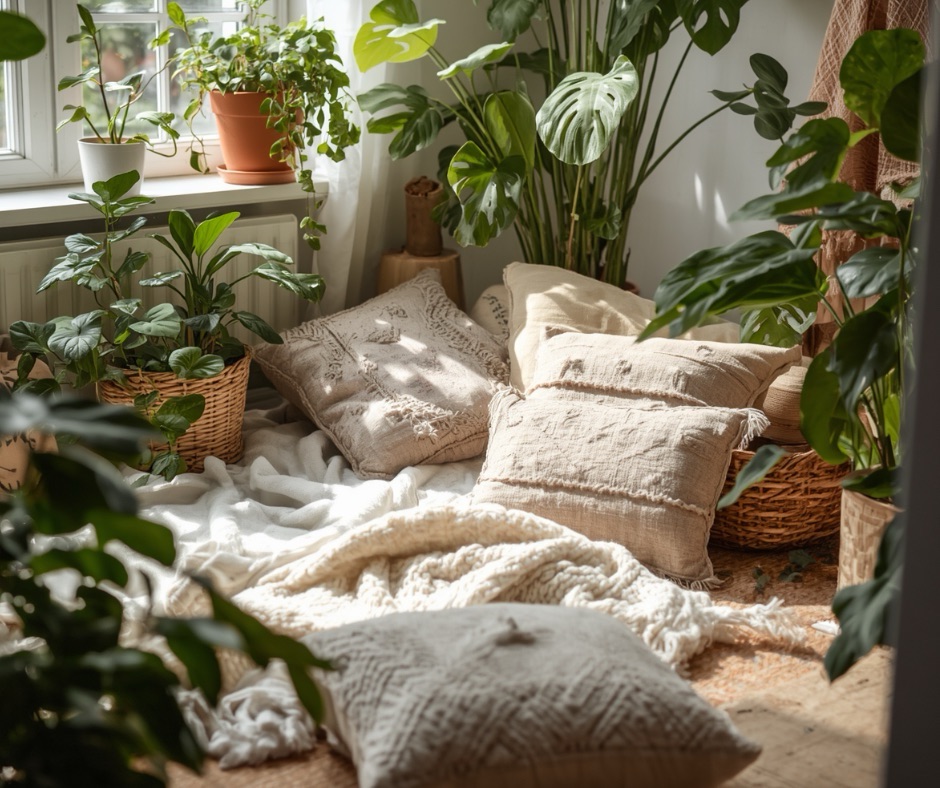
Colors have a strong impact on emotions.
To create a relaxing atmosphere, it’s best to choose soft shades such as:
– beige;
– taupe;
– ivory;
– warm white;
– light gray;
– sage green;
– powder blue.
These color palettes promote calm and allow you to decorate with greater harmony.
Small details in natural colors help create a balanced atmosphere without making the rooms feel heavy.
Get rid of what you don’t need
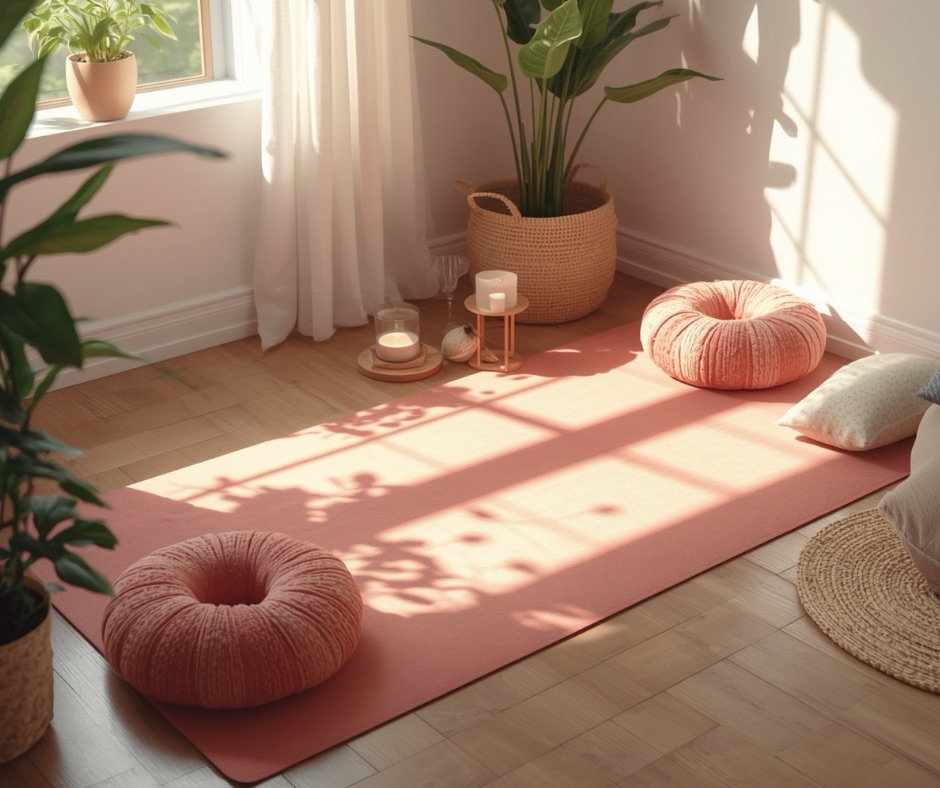
A home filled with objects can create a sense of mental chaos.
Domestic well-being also depends on organization.
This doesn’t mean living in an extreme minimalist style, but rather carefully choosing what surrounds us.
Every object should have:
– a function;
– sentimental value;
– a practical use.
Getting rid of the unnecessary makes spaces tidier and also makes daily cleaning easier.
Creating Spaces Dedicated to Relaxation
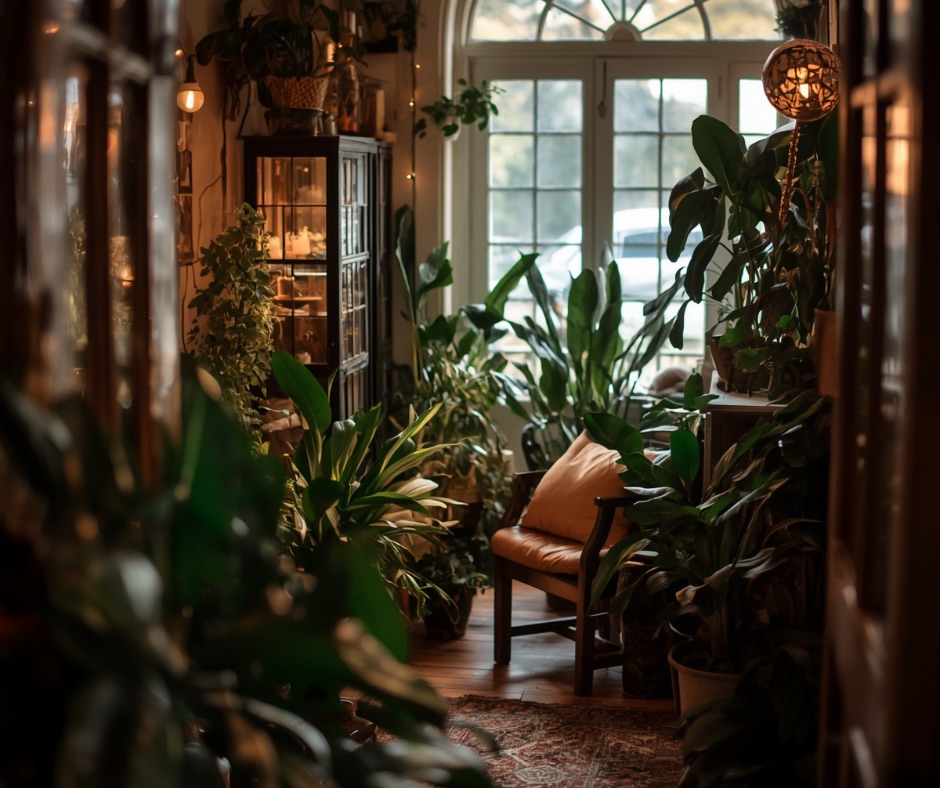
Every home should have at least one space designed exclusively for personal well-being.
It could be:
– an armchair by the window;
– a reading nook;
– a meditation space;
– a small area dedicated to yoga;
– a balcony decorated with plants.
You don’t need a lot of space.
Even just a few square meters can become a special place where you can slow down and recharge.
Plants improve the quality of indoor
environments
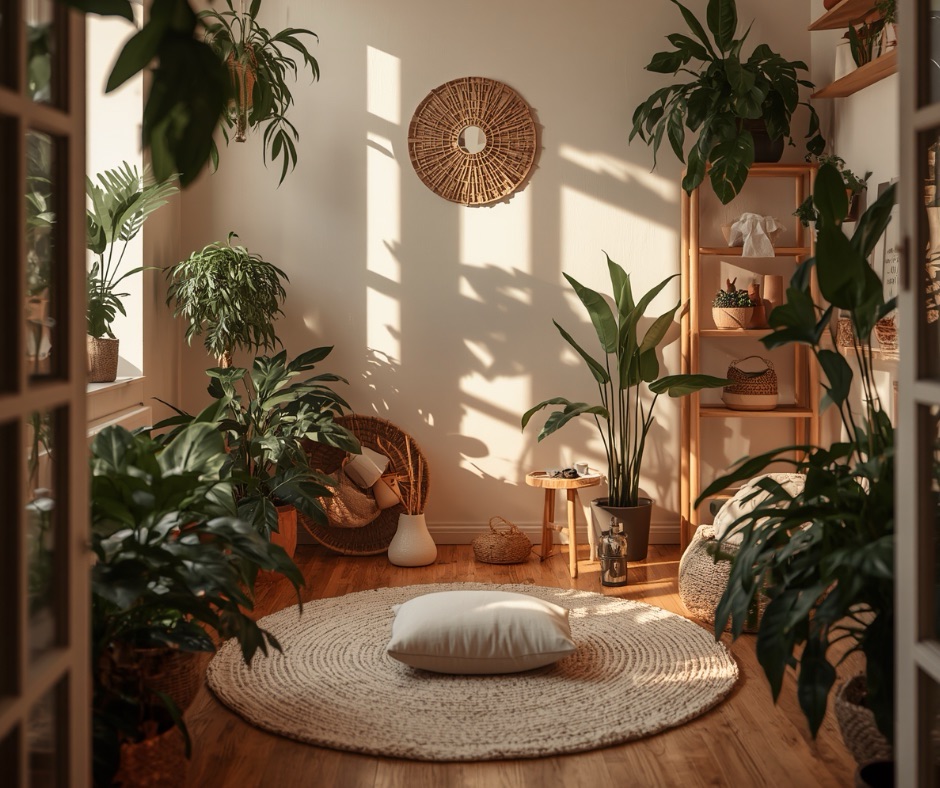
Plants bring life into the home.
In addition to their aesthetic value, they help create a connection with nature, a fundamental element of Nordic philosophy.
Among the most popular are:
– Monstera;
– Pothos;
– Ficus elastica;
– Sansevieria;
– Calathea.
Greenery makes spaces more relaxing and provides an immediate sense of freshness.
The Scent of Home
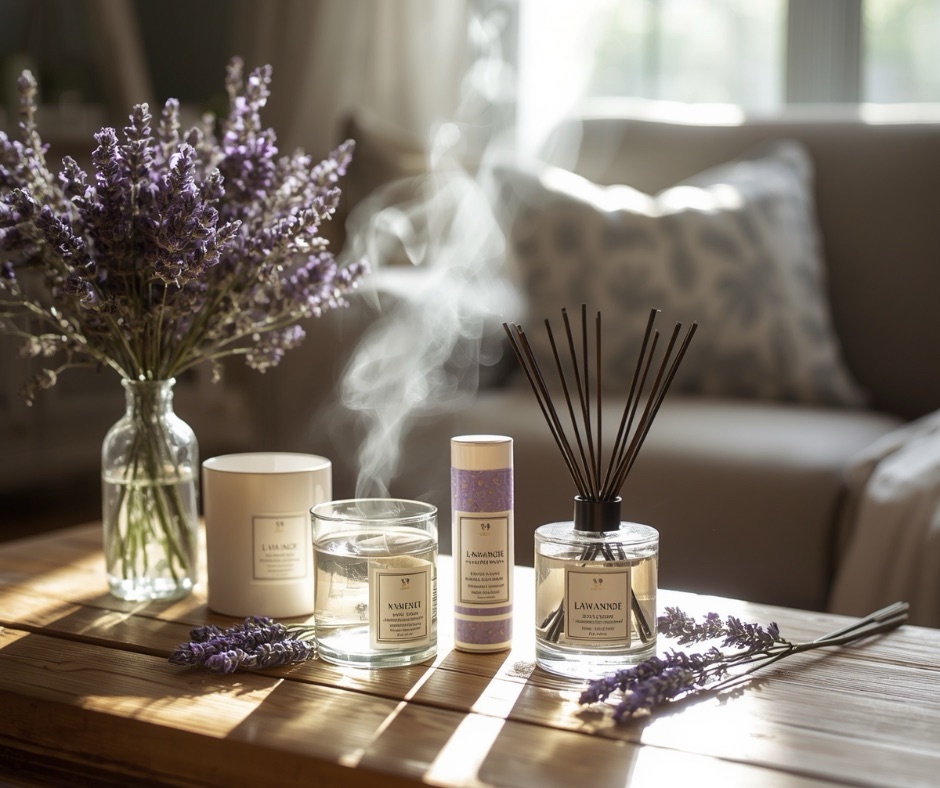
Well-being also involves the sense of smell.
Fragrances evoke memories, emotions, and deep sensations.
To create a Hygge atmosphere, you can choose:
– vanilla;
– cedarwood;
– sandalwood;
– lavender;
– bergamot;
– citrus;
– cinnamon during the winter.
Diffusers, scented candles, and essential oils help personalize any space.
The Importance of Fabrics
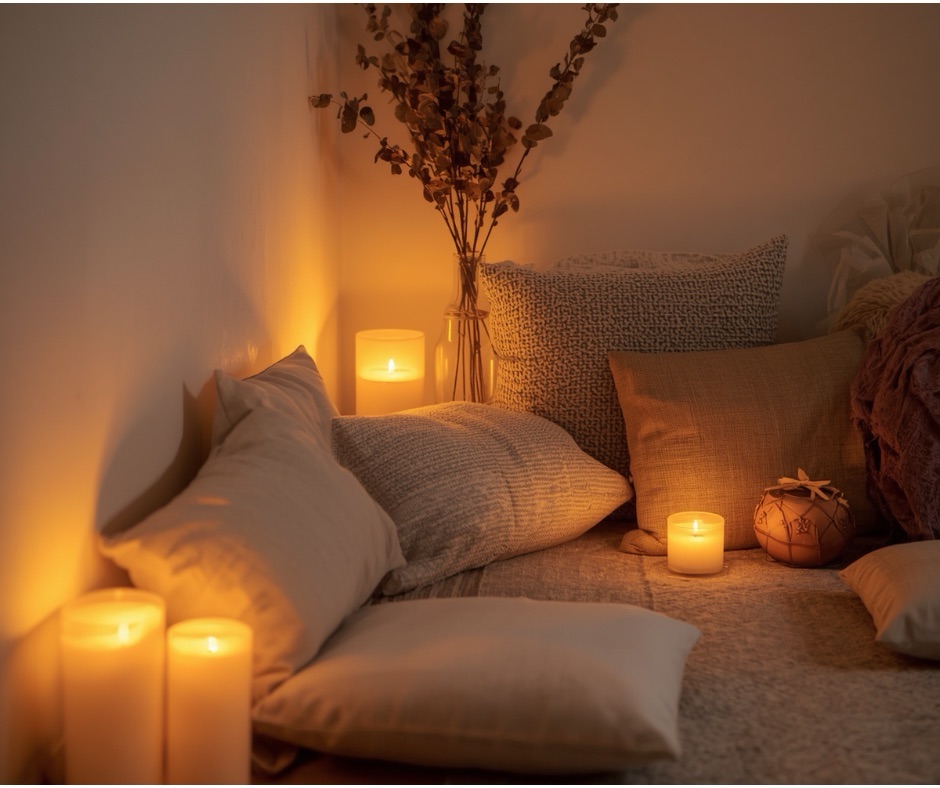
Textiles are one of the simplest ways to transform a home.
Pillows, throws, curtains, and rugs instantly make rooms feel cozier.
Layering different materials creates depth and invites relaxation.
Our tip is to choose natural fibers and coordinating colors.
A home that tells your story
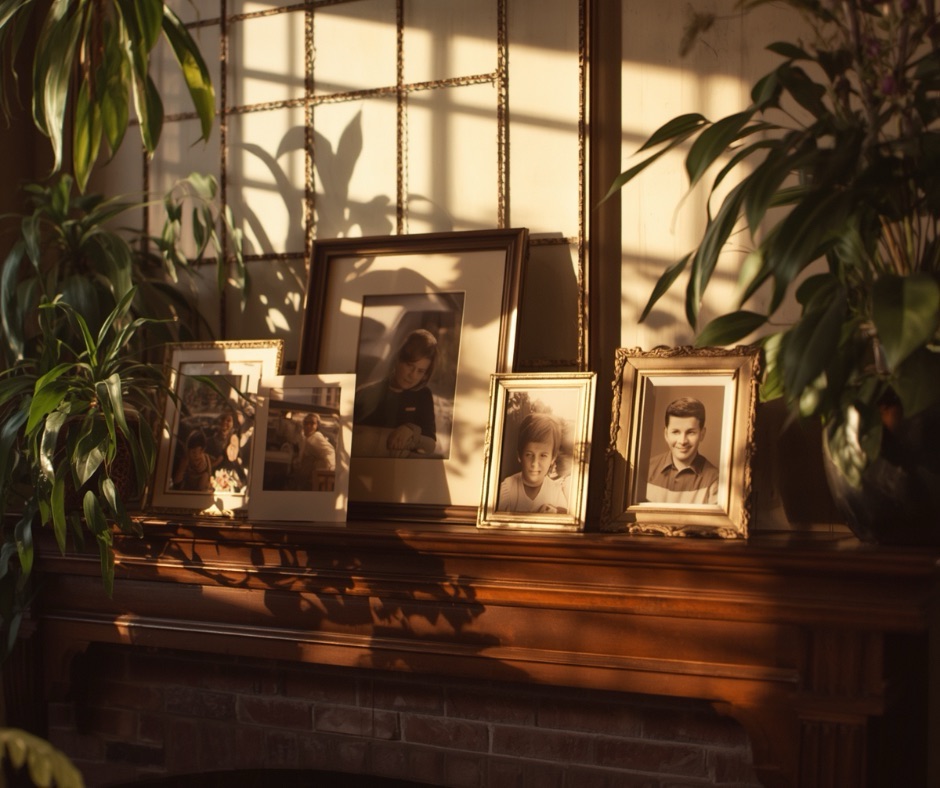
True well-being doesn’t come from trends.
It comes from the objects that tell our story.
– Photographs.
– Books.
– Travel souvenirs.
– Handcrafted pieces.
Small details that can transform a home into a place that feels authentic.
The goal isn’t to have a perfect home, but a space that truly makes you feel at home.
Small Daily Rituals
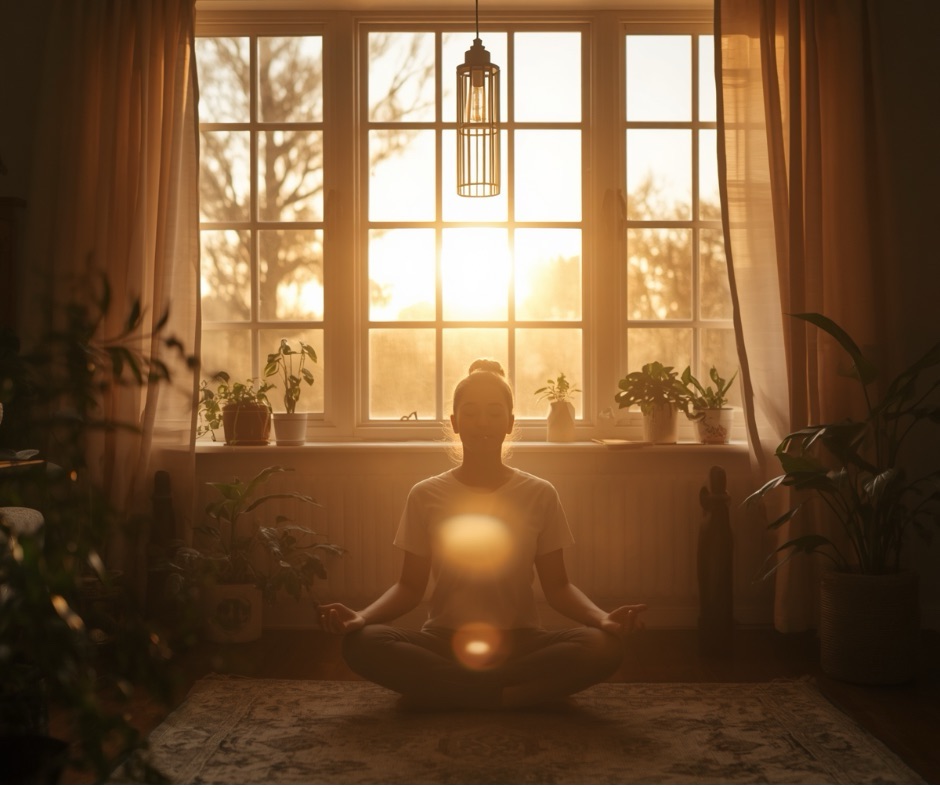
The Hygge philosophy teaches that well-being comes from the simplest of gestures.
– Making a cup of herbal tea.
– Reading a book.
– Lighting a candle.
– Listening to relaxing music.
– Cooking slowly.
– Turning off your phone for a few hours.
– Yoga
These are habits that transform your home into an emotional refuge.
Design as a Tool for Well-Being
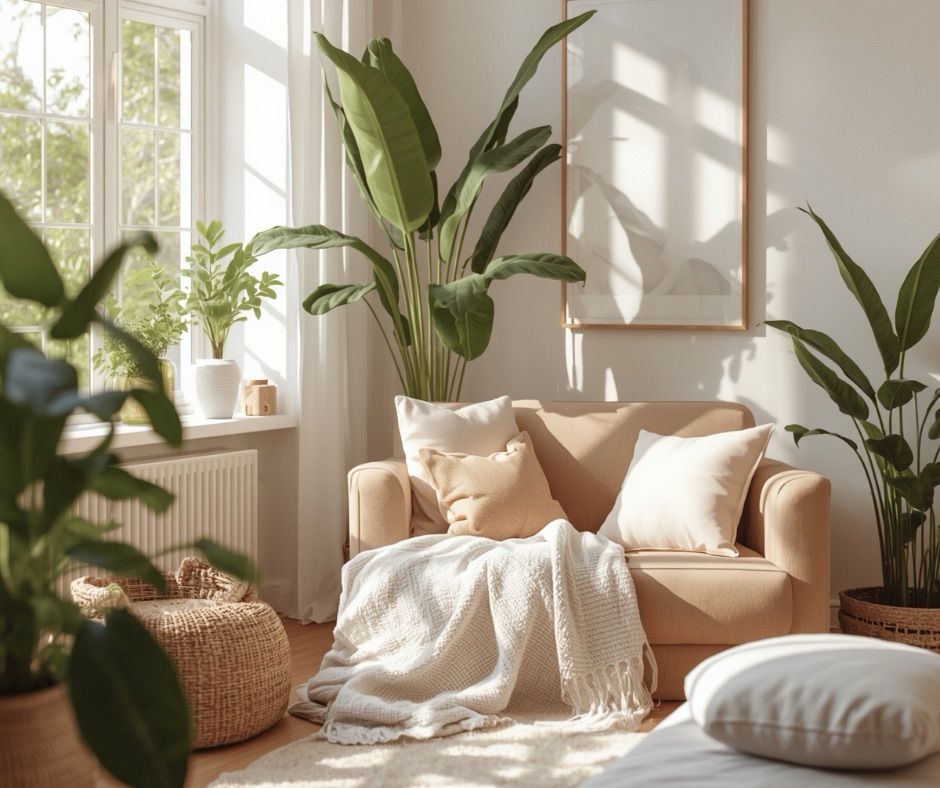
Interior design shouldn’t be limited to simply following trends.
Its most important goal is to improve people’s quality of life.
Every design choice—from furniture placement to material selection, from lighting to colors—helps create an environment that supports our well-being.
Well-being at home stems precisely from the combination of functionality, aesthetics, and authenticity.
Conclusion

Creating a home focused on well-being doesn’t mean undertaking major renovations or making significant investments.
Often, small changes are all it takes: better lighting, natural materials, a few plants, less clutter, and more attention to detail.
The Hygge philosophy reminds us that happiness is also built through the spaces we inhabit every day.
A home designed with care becomes a place to slow down, reconnect with oneself, and experience moments of true serenity.
Because today, true luxury is feeling good in the place we call home.
FAQ
What is home well-being?
It is the combination of features in a home that promote comfort, serenity, health, and quality of life through design, organization, lighting, and materials.
How can you make your home more relaxing?
Opt for natural light, neutral colors, natural materials, soft fabrics, plants, tidiness, and warm lighting.
Which colors promote well-being?
Warm white, beige, taupe, sage green, light gray, and powder blue are among the most relaxing shades.
What does the Hygge style mean?
It’s a Danish philosophy that values comfort, simplicity, togetherness, and the pleasure of small things, creating cozy and authentic spaces.



Leave a Reply