

When you’re looking to add warmth, character, and timeless elegance to a room, few flooring options rival the classic herringbone parquet.
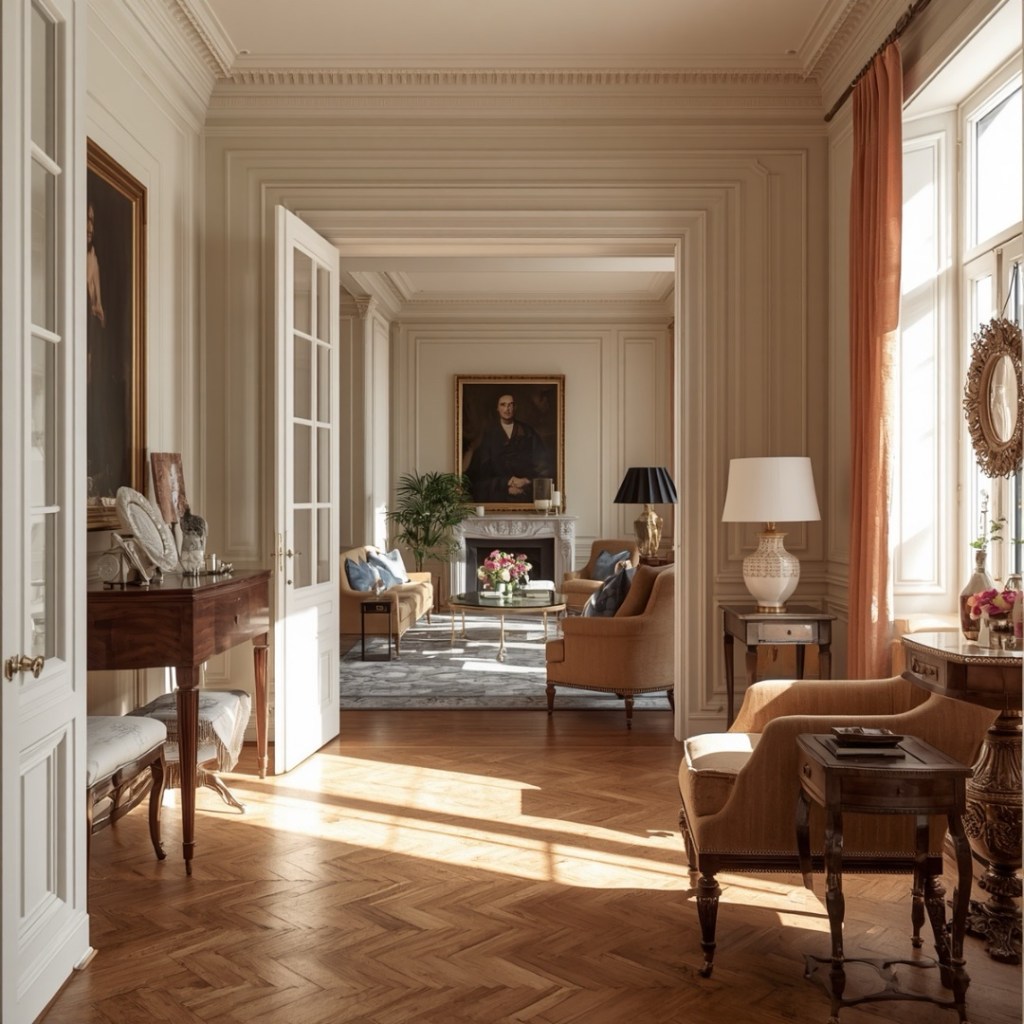
The distinctive V‑shaped pattern creates a visual rhythm that feels both historic and ultra‑modern, making it a favorite among designers and homeowners alike.
But not all herringbone parquet is created equal. The country of origin often dictates the material, craftsmanship, and aesthetic flavor of the planks. In this guide we’ll explore why you might choose Italian, French, or Hungarian herringbone parquet flooring—and what each brings to your interior.
What Makes Herringbone Parquet So Special?
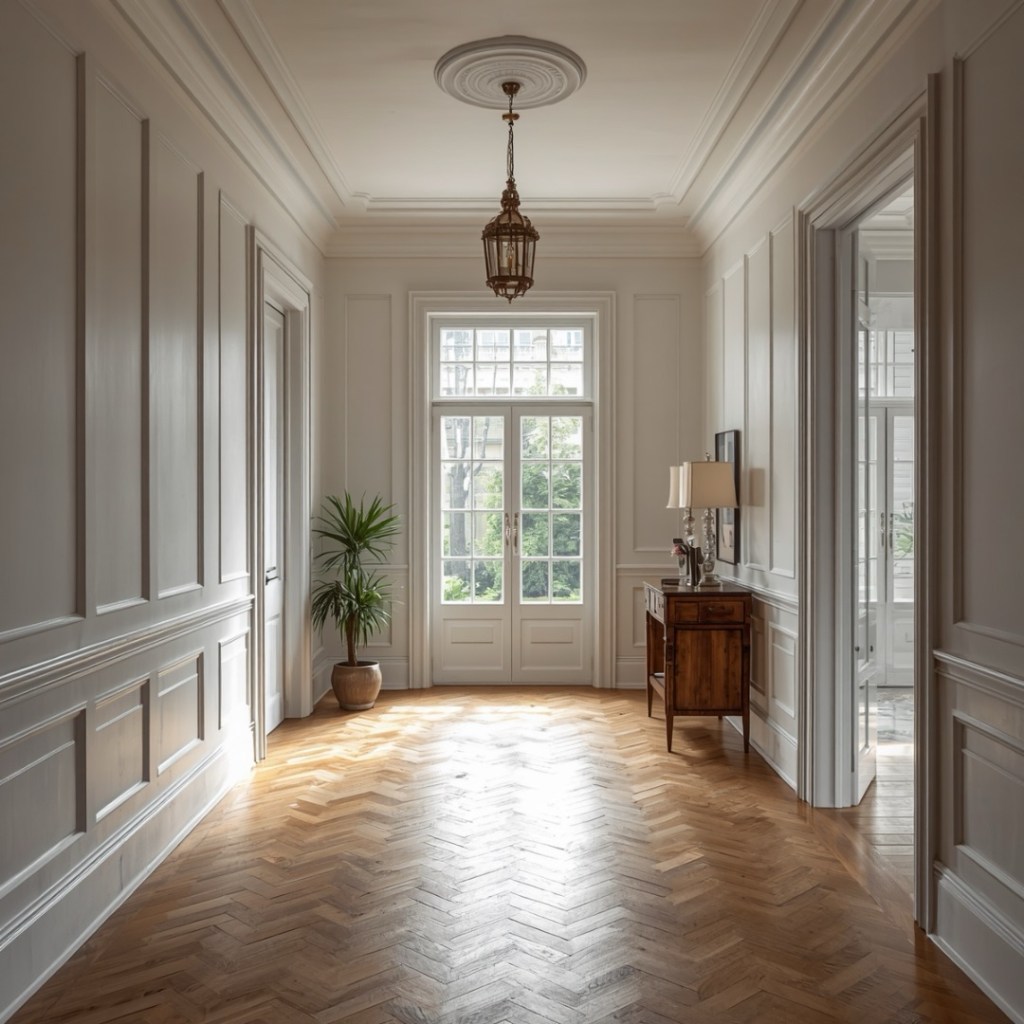
Before diving into the regional nuances, let’s recap the core benefits that make herringbone a top choice:
Visual impact: The zigzag pattern adds depth and motion, turning a floor into a statement piece.
Durability: Solid‑wood blocks are typically 10–20 mm thick, standing up to heavy foot traffic and refinishing multiple times.
Versatility: Works with rustic, contemporary, classic, and even minimalist decor.
Value: A well‑installed herringbone floor can increase a home’s resale value significantly.
Now, let’s see how each country’s tradition shapes the final product.
Italian Herringbone Parquet: Artistry and Refinement
Craftsmanship
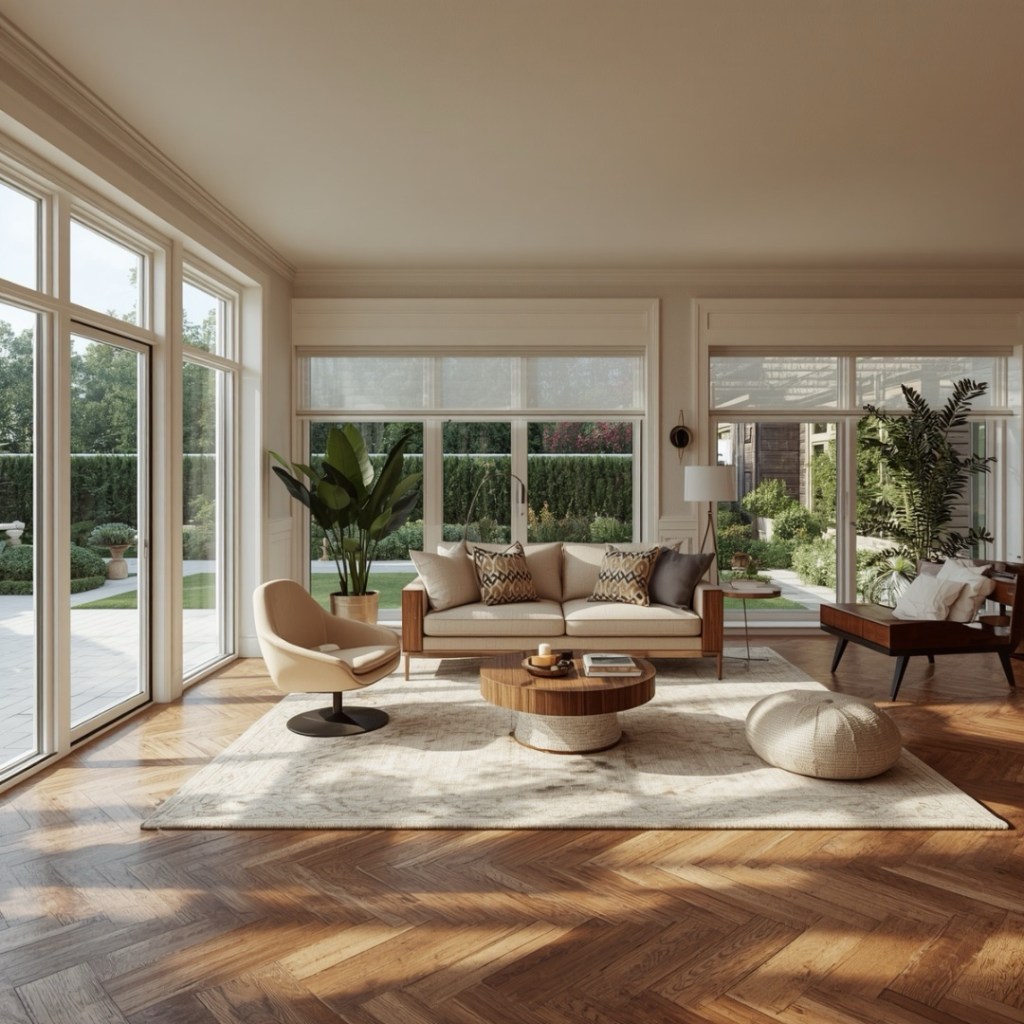
Italy is famed for its high‑end woodworking and meticulous attention to detail. Italian manufacturers often source premium European oak, ash, or walnut from sustainable forests, then加工 with precision CNC machines and hand‑finished bevels. The result is a floor that feels almost sculpted.
Design Flair
Italian herringbone tends to feature clean, crisp lines and a slightly wider plank (often 70–90 mm). Many lines offer a subtle “tumbled” or “brushed” texture, giving the wood a soft, matte finish that highlights its natural grain without appearing too rustic.
Why Choose Italian?
Elegant aesthetic: Perfect for modern, minimalist, or upscale transitional interiors.
Premium quality control: Italian factories often exceed EU environmental standards, delivering low‑VOC finishes.
Customization: Many producers provide bespoke widths, lengths, and stain options, allowing you to match any color palette.
Best for: Living rooms, hallways, and open‑plan spaces where you want a refined, almost “gallery‑like” feel.
French Herringbone Parquet: Timeless Sophistication
Heritage
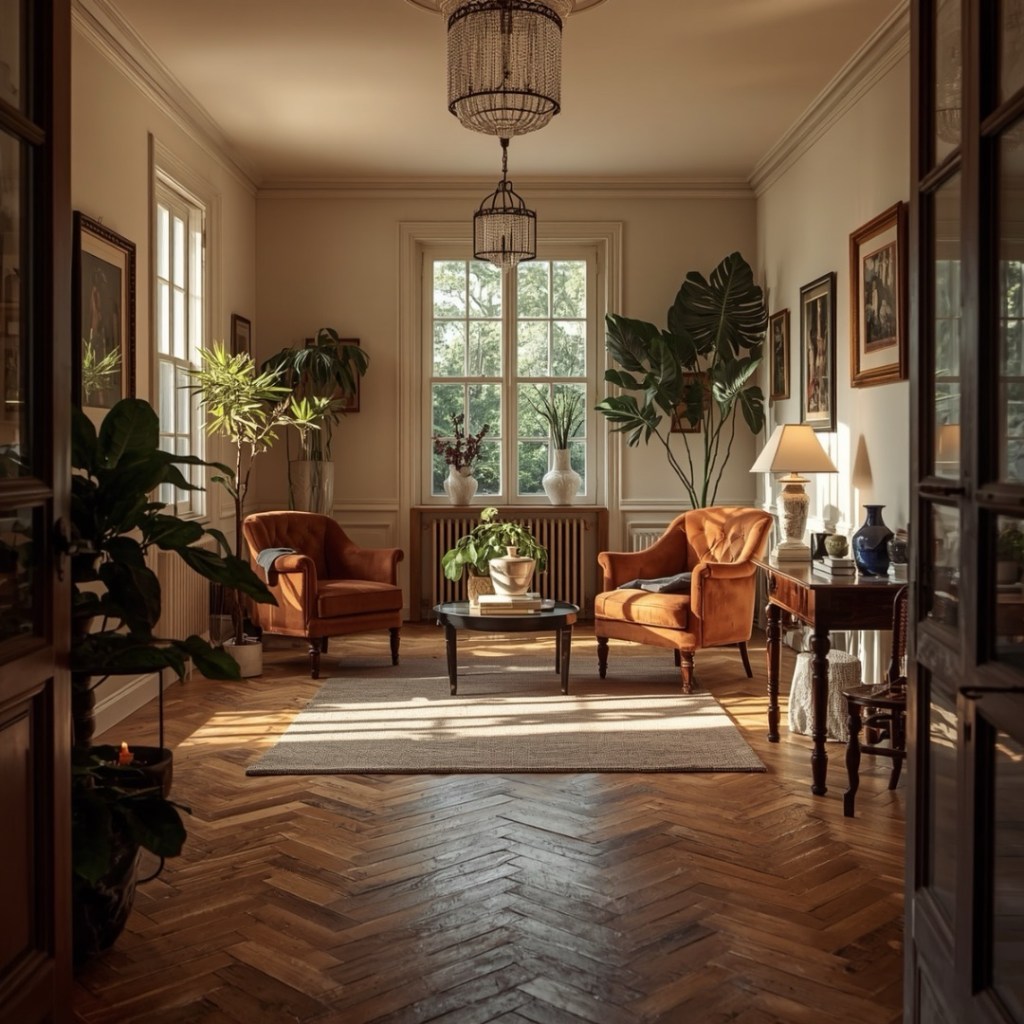
The French invented the classic Versailles pattern (a larger, more intricate version of herringbone) in the 17th century for the royal palaces. Today, French manufacturers keep that heritage alive by using traditional tongue‑and‑groove construction and age‑old drying techniques.
Aesthetic
French herringbone often uses narrower planks (≈50–60 mm) and a slightly darker, richer tone. The finish may be a high‑gloss lacquer or a hand‑rubbed oil that brings out the wood’s amber hues. The pattern feels more “dense” and intricate, lending a sense of history to any room.
Why Choose French?
Classic elegance: Ideal for period homes, bistros, or any space that wants a touch of old‑world charm.
Acoustic warmth: The tighter pattern can help dampen sound, making French herringbone a favorite for libraries and dining rooms.
Proven durability: Many French floors have been in place for centuries, proving long‑term resilience.
Best for: Traditional interiors, dining areas, or any room where you want a sophisticated, historic vibe.
Hungarian Herringbone Parquet: Robustness and Heritage
Tradition
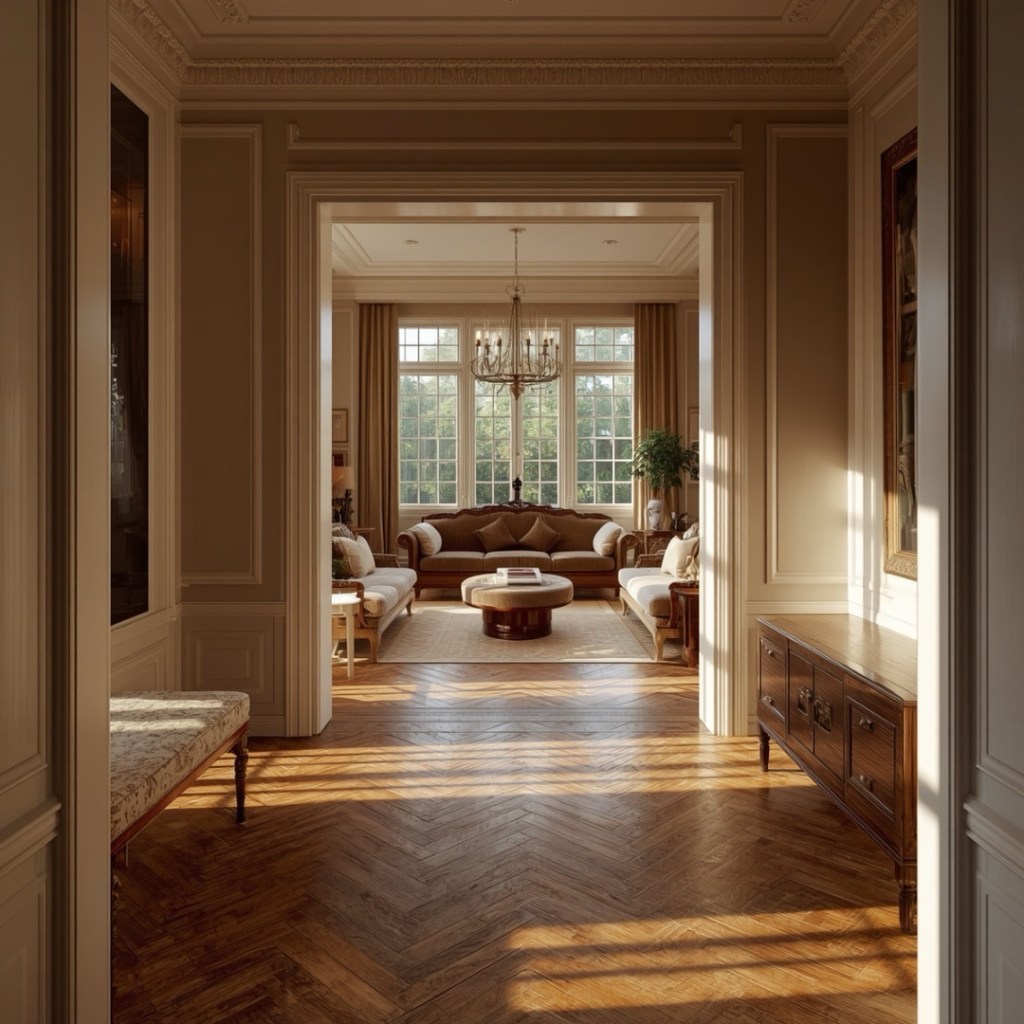
Hungary has a long‑standing reputation for solid‑wood parquet production, dating back to the Austro‑Hungarian empire. Hungarian factories often use native species such as oak, beech, and maple, which are known for their hardness and stability in fluctuating humidity.
Construction
Hungarian herringbone planks are typically thicker (up to 22 mm) and longer, allowing for a more substantial feel underfoot. The wood is often air‑dried slowly, reducing internal stress and ensuring the floor remains flat over decades.
Why Choose Hungarian?
Maximum durability: Thicker slabs mean the floor can be sanded and refinished many times—perfect for high‑traffic zones.
Natural resilience: Native hardwoods are less prone to warping, making Hungarian herringbone a smart choice for climates with seasonal humidity changes.
Cost‑effectiveness: Despite the high quality, Hungarian production often offers a more budget‑friendly price point than Italian or French equivalents.
Best for: Kitchens, entryways, commercial spaces, or any area that sees heavy use and you need a floor that can take a beating.
How to Decide Which Herringbone Is Right for You
Factor Italian French Hungarian
Typical plank width 70–90 mm (wider) 50–60 mm (narrow) 60–80 mm (mid‑wide)
Finish options Matte, brushed, lacquer High‑gloss lacquer, oil Oil, hard‑wax, lacquer
Best aesthetic Sleek, contemporary Classic, historic Robust, rustic
Thickness 10–14 mm 10–14 mm 14–22 mm
Price range Premium Mid‑to‑premium Mid‑to‑affordable
Ideal location Living spaces, offices Dining rooms, libraries Kitchens, hallways, commercial
Ask Yourself:
What vibe do I want? – If it’s clean, modern, choose Italian. For a timeless, old‑world feel, go French. For a strong, utilitarian look, Hungarian is the pick.
How much foot traffic will the floor endure? – High traffic calls for the thicker Hungarian planks.
What’s my budget? – Italian and French tend to be pricier; Hungarian offers a great value without sacrificing quality.
Do I need custom sizing or finishes? – Italian manufacturers often lead in customization.
Installation & Maintenance Tips
Acclimation: Let the parquet sit in the room for at least 48–72 hours to adjust to temperature and humidity.
Subfloor: A clean, level subfloor (plywood or concrete) is essential. Many professionals recommend a moisture‑barrier underlayment for concrete slabs.
Professional installation: Herringbone patterns require precise mitering. Hire an experienced installer to avoid gaps and ensure a seamless look.
Maintenance: Sweep or vacuum regularly. For oil‑finished floors, re‑apply a fresh coat of maintenance oil every 2–3 years; lacquered floors can be wiped with a damp (not wet) mop and a mild wood‑floor cleaner.
Conclusion: Embrace the Classic, Choose Your Origin
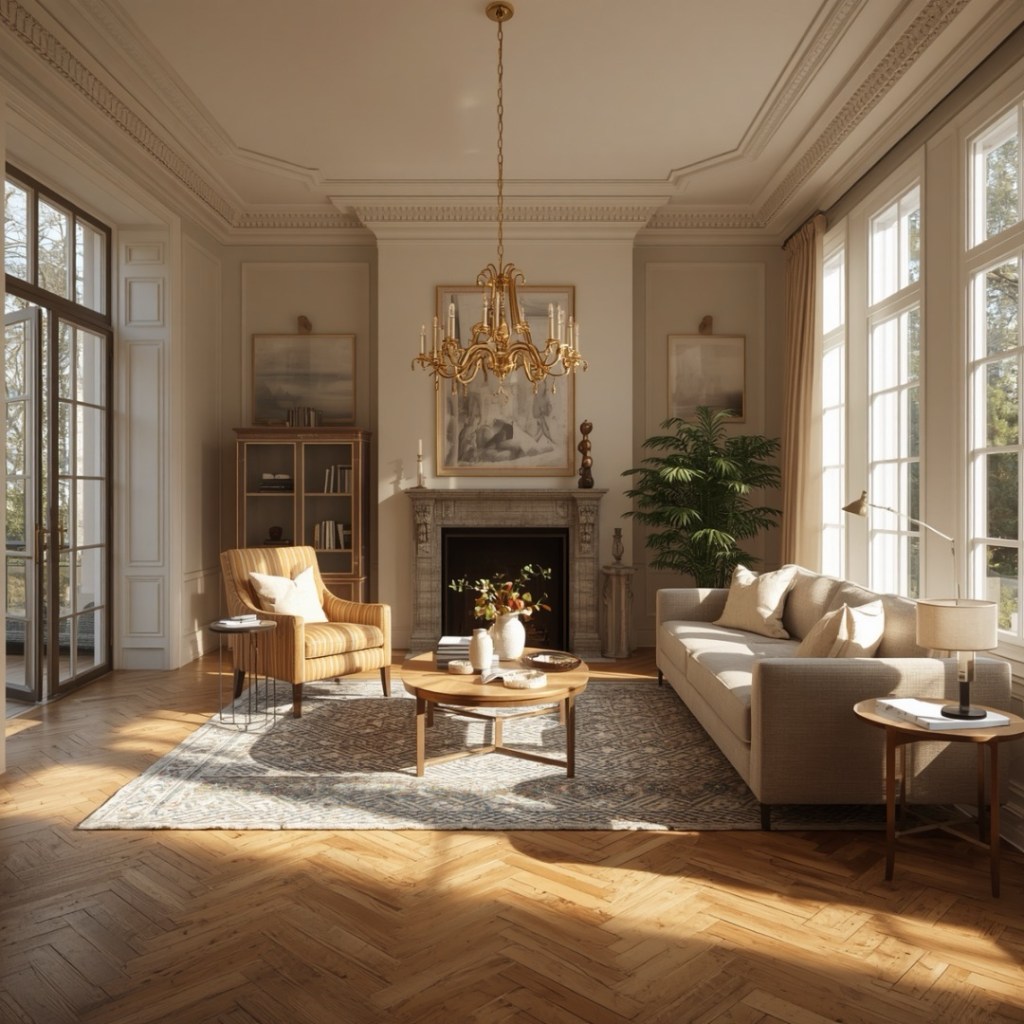
Whether you lean toward the refined Italian elegance, the timeless French sophistication, or the robust Hungarian durability, a herringbone parquet floor is an investment in both beauty and lasting performance. Each style brings its own cultural legacy, aesthetic nuance, and technical strengths—so the “right” choice ultimately depends on your personal taste, the demands of your space, and your budget.
Take the time to touch samples, talk to a flooring specialist, and envision how the pattern will interact with your walls, furniture, and lighting. When you find that perfect match, you’ll have a floor that not only looks stunning but also tells a story—one that stretches from the forests of Europe to the heart of your home.
If you liked my blog post “Why choose Italian, French or Hungarian Herringbone Parquet Flooring?” have also a look at Interior Design Trends for 2026



Leave a Reply