

Design, happiness and well-being: in search of happiness through neurodesign.

Many psychology and neuroscience experts claim that beauty is anti-inflammatory, symmetry is good for survival, round shapes reduce conflict and that living in an environment full of visual harmony can make us happier.
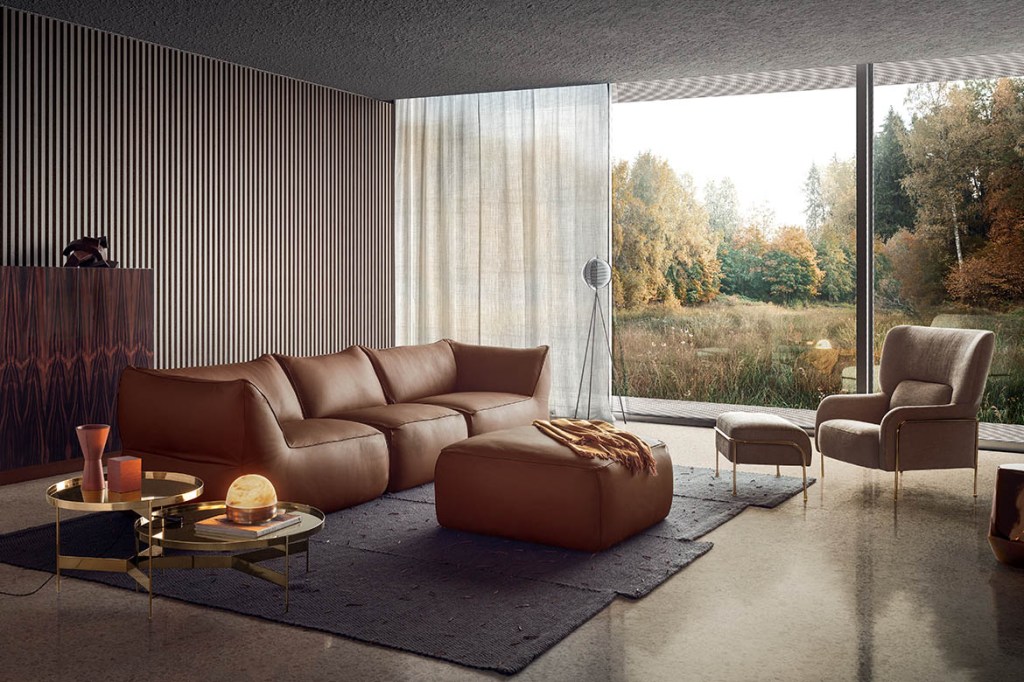
Isabelle Sjövall, author of Designfulness, has a degree in architecture and a passion for neuroscience. She argues that since we now spend about 90% of our time inside buildings (home, office, school…), more than ever our brains need beauty, balance and wellbeing, and therefore specially designed environments so that we don’t feel uncomfortable or locked in a “cage” or “prison”.

Knowing how our brain works can make a huge difference when choosing furniture for the home, which is where we spend most of our time, and give us the opportunity to make better choices that are in harmony with the biological underpinnings and ‘preferences’ of the brain.

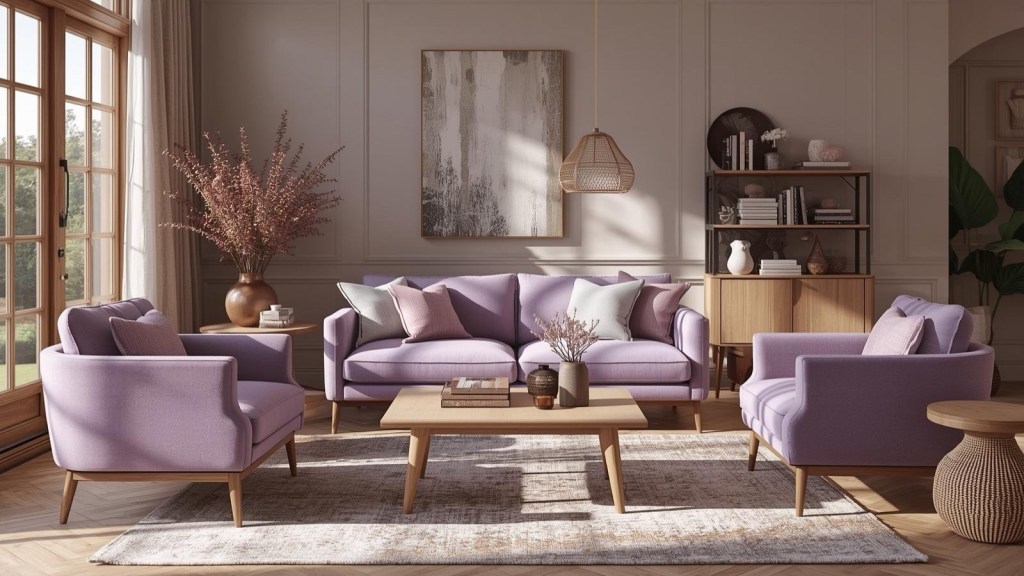
Thus, the arrangement and combination of space, light and colour have a decisive effect on our mental and consequently physical well-being, something that the design research had already brought to light a long time ago. What is new is that aesthetic beauty is both subjective and objective!

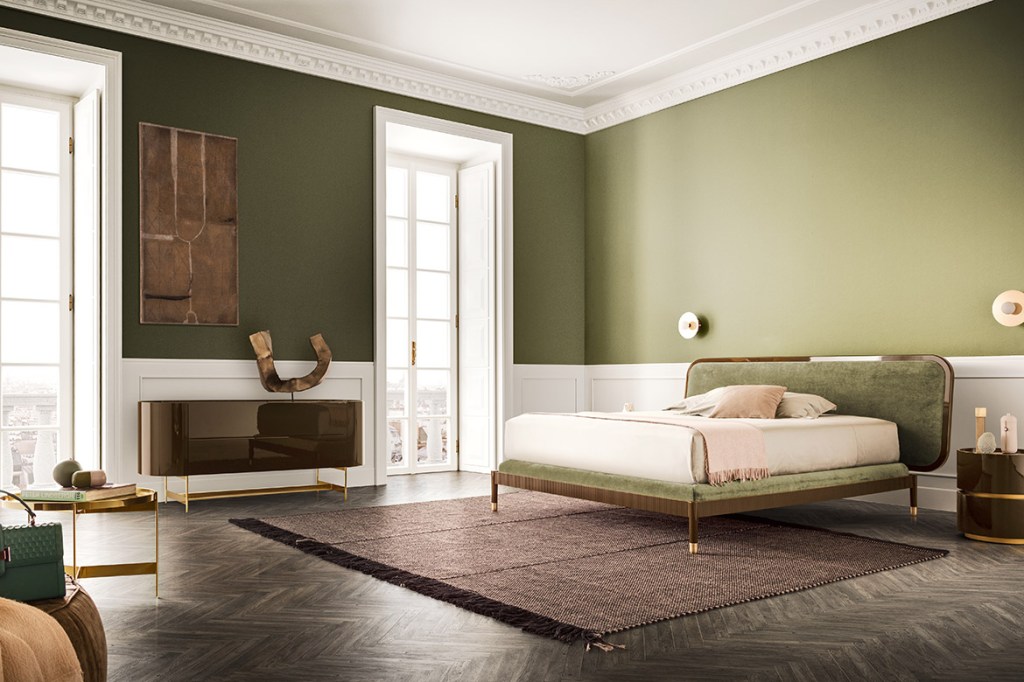
Get the look with Fushimi bed
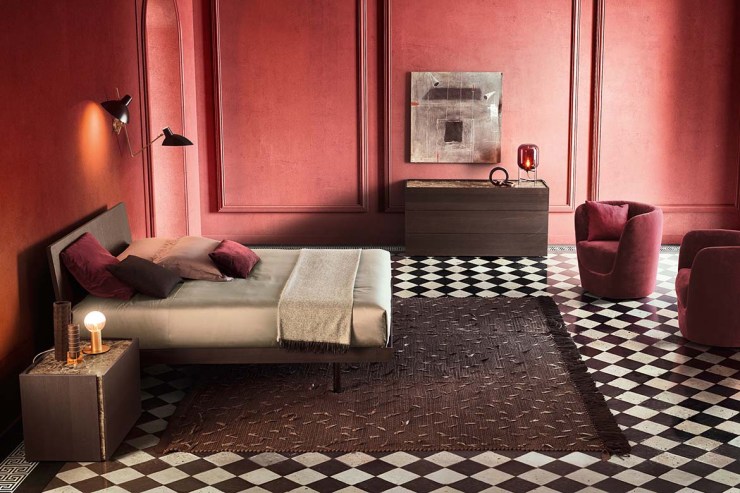
We have to pay attention to our personal tastes but also to the effects these may have on our brain. For example, painting your walls red because you love this colour may not be a good idea if you are a very stressed person, just as having too many sharp edges on furniture which, unlike round shapes, is perceived as more threatening may be a bad choice in the long-term.
Space also plays a key role in our well-being; neurodesign claims that high ceilings can improve creative thinking. It’s no coincidence that artists’ studios often have high ceilings! To focus on the details, research says that low ceilings and not too open spaces are preferable, as too much width creates visual and acoustic distractions.
Finally, smell and scent play a very important role in interior design. Isabelle Sjövall says: “The sense of smell is the sense most strongly connected to the part of the brain that processes emotions, and there are many studies showing that scents influence us in the most direct way. Natural” and widespread aromas such as fresh coffee can have a positive effect on our mood for many people, but for artificial fragrances it’s more complex and you really have to think about customised parfum design.”
If you liked my blog post “Design, Happiness and Well-being” have also a look at Chromoterapy: Colors that Influence Life




 Hygge Design
Leave a reply to Scandinavian-Style Kitchens – Hygge Design Cancel reply